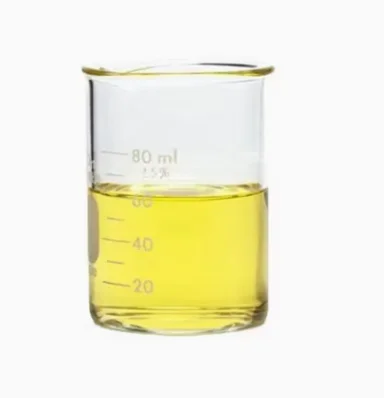
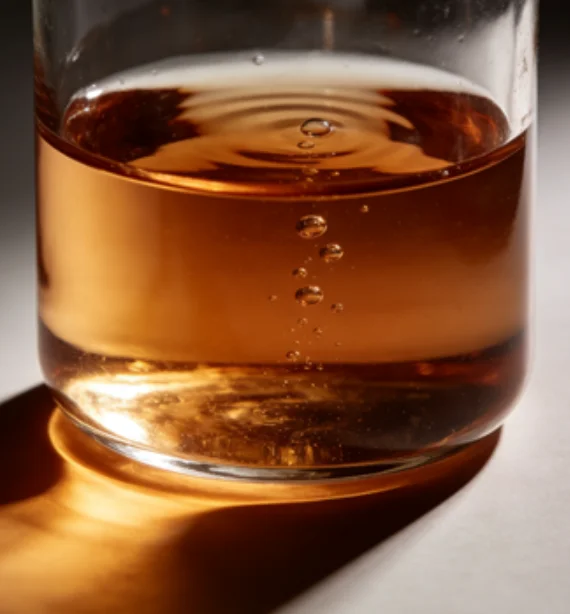
HighPerformance SLES 70 Solutions for DRC’s Manufacturing Sector

HighPerformance SLES 70 Solutions for DRC’s Manufacturing Sector

High-Performance SLES 70% Solutions for DRC's Manufacturing Sector

Empowering the Democratic Republic of the Congo with industrial-grade surfactants to elevate local hygiene and cosmetic production standards.

High-Performance SLES 70% Solutions for DRC's Manufacturing Sector

Providing premium grade raw materials tailored for the unique industrial demands of the Democratic Republic of the Congo, ensuring stability and efficiency in every batch.

Industrial Landscape of Surfactants in the Democratic Republic of the Congo

Analyzing the current state of chemical raw material procurement and application in Central Africa.

In the Democratic Republic of the Congo, the manufacturing of Cosmetics is experiencing a transition from small-scale artisanal production to semi-industrialized processing. The humid tropical climate of the Congo Basin poses significant challenges for the stability of raw materials, necessitating high-purity surfactants that resist degradation under high temperature and moisture.

Currently, most local producers rely heavily on imported Sodium Laureth Sulfate to maintain foaming properties in shampoos and detergents. However, logistics bottlenecks in Kinshasa and Lubumbashi often lead to supply chain volatility, making the demand for stable, high-concentration SLES 70% more critical than ever for cost-effective transport.

The integration of forest-based chemical products is also emerging as a local trend, where the synergy between synthetic surfactants and organic botanical extracts from the Congo rainforest is being explored to create unique, nature-inspired personal care products for the growing urban middle class.
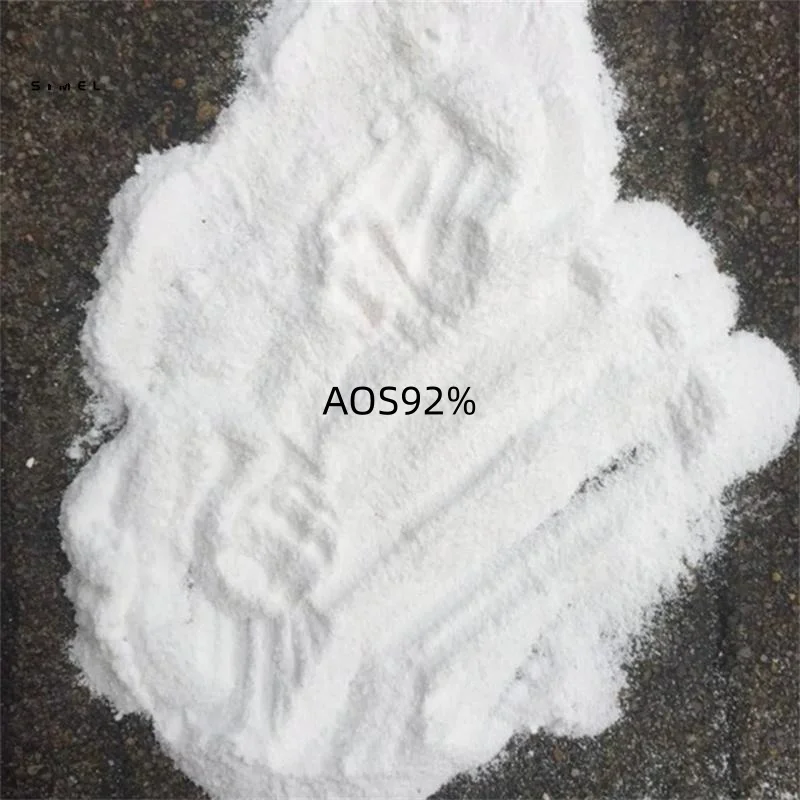
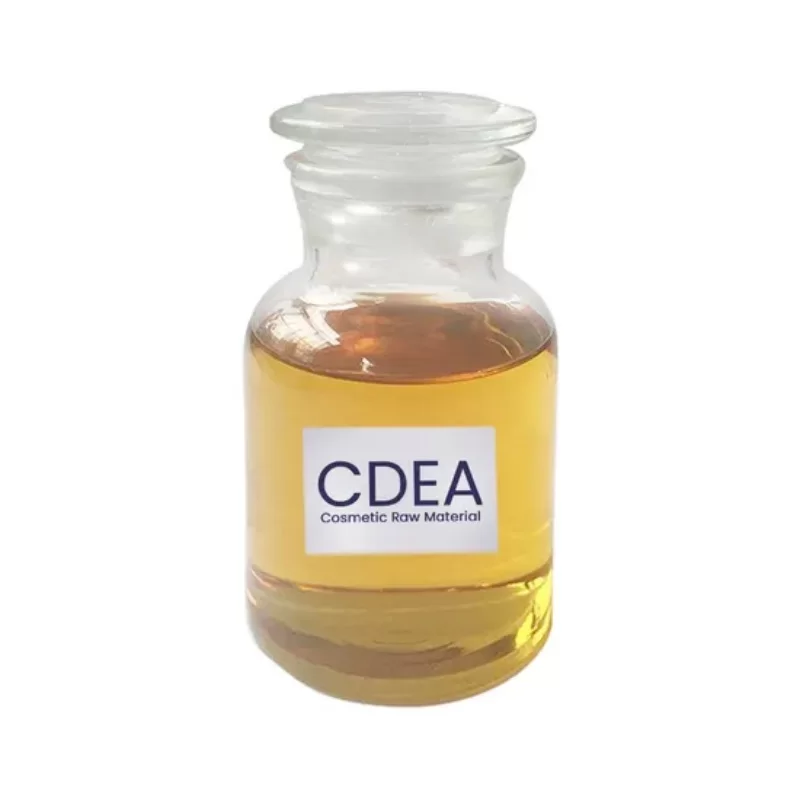
Evolution and Trajectory of Surfactant Technology in DRC

From basic soap making to advanced chemical formulation.

Market Development History

Prior to 2010, the DRC market was dominated by traditional soap bars made from palm oil. The introduction of basic synthetic surfactant technology allowed for the first wave of liquid detergents, though these early formulas suffered from poor stability and inconsistent viscosity.

Between 2012 and 2020, there was a strategic shift toward the use of ethoxylated sulfates. The adoption of Sodium Lauryl Ether Sulfate became the industry standard due to its milder profile compared to SLS, allowing local brands to compete with imported European and Asian personal care products.

Since 2021, the market has pivoted toward "Concentrate Logistics." By importing 70% active matter instead of diluted solutions, DRC manufacturers have significantly reduced their carbon footprint and lowered the landed cost of raw materials, enabling a price drop for end-consumers.

Future Development Trends

Green Chemistry Integration

Expect a surge in the blending of synthetic SLES with bio-based surfactants derived from local forest resources to meet the global demand for "green" cosmetics.

Automation in Mixing

The transition from manual stirring to automated vacuum emulsification systems will improve the homogeneity of Cosmetics produced in Kinshasa.

Concentrated Formulation Focus

Google search trends indicate an increase in queries for "concentrated cleaning agents," suggesting a future shift toward ultra-concentrated refills to save on packaging.

Industry Outlook and Future Strategic Projections

Predicting the next 3-5 years of chemical manufacturing in Central Africa.

Sustainable Sourcing
Shift towards RSPO-certified palm kernel oil derivatives for all surfactant production.
Logistics Optimization
Implementation of regional hubs to reduce lead times for SLES 70% distribution.
Regulatory Alignment
Adoption of international safety standards for the handling of Sodium Lauryl Ether Sulfate.
Product Diversification
Developing sulfate-free alternatives alongside traditional Sodium Laureth Sulfate.

Industry Outlook

The Democratic Republic of the Congo is poised to become a regional hub for chemical processing in Central Africa. As urbanization increases in cities like Goma and Kananga, the demand for standardized personal care products will drive a shift toward high-purity, consistent raw materials.

Future growth will be dictated by the ability of manufacturers to optimize their formulas for "hard water" conditions prevalent in several mining regions, where specialized surfactants will be needed to maintain foam stability.

Local Application Scenarios in the DRC Market

Practical implementation of SLES 70% across various local industries.

1. Urban Personal Care Manufacturing

Production of high-foaming shampoos and body washes in Kinshasa, utilizing SLES 70% to ensure luxury texture and efficient cleaning for urban consumers.

2. Industrial Cleaning Agents for Mining

Formulating heavy-duty degreasers for mining equipment in the Katanga region, where powerful surfactant properties are required to remove mineral oils.

3. Hospital-Grade Hand Sanitizers

Developing affordable, antibacterial liquid soaps for healthcare facilities across DRC, prioritizing the skin-mildness of Sodium Lauryl Ether Sulfate.

4. Artisanal Soap Upgrading

Integrating synthetic foaming agents into traditional palm-oil soaps to create hybrid "super-soaps" that perform better in various water conditions.

5. Automotive Detailer Products

Creating high-lubricity car wash shampoos for the growing transport sectors in Lubumbashi, focusing on the high-concentration efficiency of Sodium Laureth Sulfate.

Brand Story

Global Development Journey of Shandong Zhongjin Chemical Co., Ltd.

Foundation of Excellence

Established with a vision to stabilize the global surfactant supply chain, focusing on purity and consistency from day one.

Technical Breakthroughs

Perfecting the 70% concentration process to reduce global shipping costs and environmental impact for our clients.

African Market Expansion

Developing specialized logistics and support systems to serve the unique needs of manufacturers in the Democratic Republic of the Congo.

Quality Certification

Achieving international ISO and REACH standards to ensure that every drop of our chemicals is safe for human use.

Mission for the Future

To eliminate the gap between high-end chemical technology and local manufacturing capacity in emerging markets.

Frequently Asked Questions for DRC Manufacturers

Expert answers to common technical and logistical queries.

How to maintain the stability of SLES 70% in Congo's tropical climate?

We recommend storing SLES 70% in a cool, dry warehouse away from direct sunlight. Utilizing temperature-controlled storage areas prevents the material from separating or thickening excessively due to high humidity.

Can Sodium Laureth Sulfate be used in hard water areas of Katanga?

Yes, SLES is significantly more tolerant of hard water than traditional soaps. For optimal results, we suggest blending it with a chelating agent like EDTA to further enhance foam stability.

What is the advantage of SLES 70% over liquid 25% versions?

SLES 70% drastically reduces shipping costs and storage space. For DRC manufacturers, this means lower import duties and less frequent ordering, ensuring a more stable production cycle.

Is this surfactant suitable for sensitive skin cosmetics?

Sodium Lauryl Ether Sulfate is an ethoxylated version of SLS, making it much milder on the skin. It is widely used in premium shampoos and facial cleansers for its gentle cleansing properties.

How do I properly dilute SLES 70% for soap production?

Gradually add warm water to the paste while stirring slowly to avoid excessive aeration. Using a high-shear mixer is recommended for industrial scales to ensure a perfectly homogeneous solution.

What certifications do your chemicals provide for DRC customs?

We provide comprehensive MSDS, COA (Certificate of Analysis), and technical data sheets that meet international shipping standards, ensuring smooth customs clearance in Kinshasa and Matadi.

Ready to Scale Your Production?

Partner with a global leader in surfactants to bring world-class chemical solutions to the Democratic Republic of the Congo.

Contact Us Now

If you are interested in our products, you can choose to leave your information here, and we will be in touch with you shortly.

  • captcha