Liquid Glass: The Ultimate Guide to Modern Surface Protection
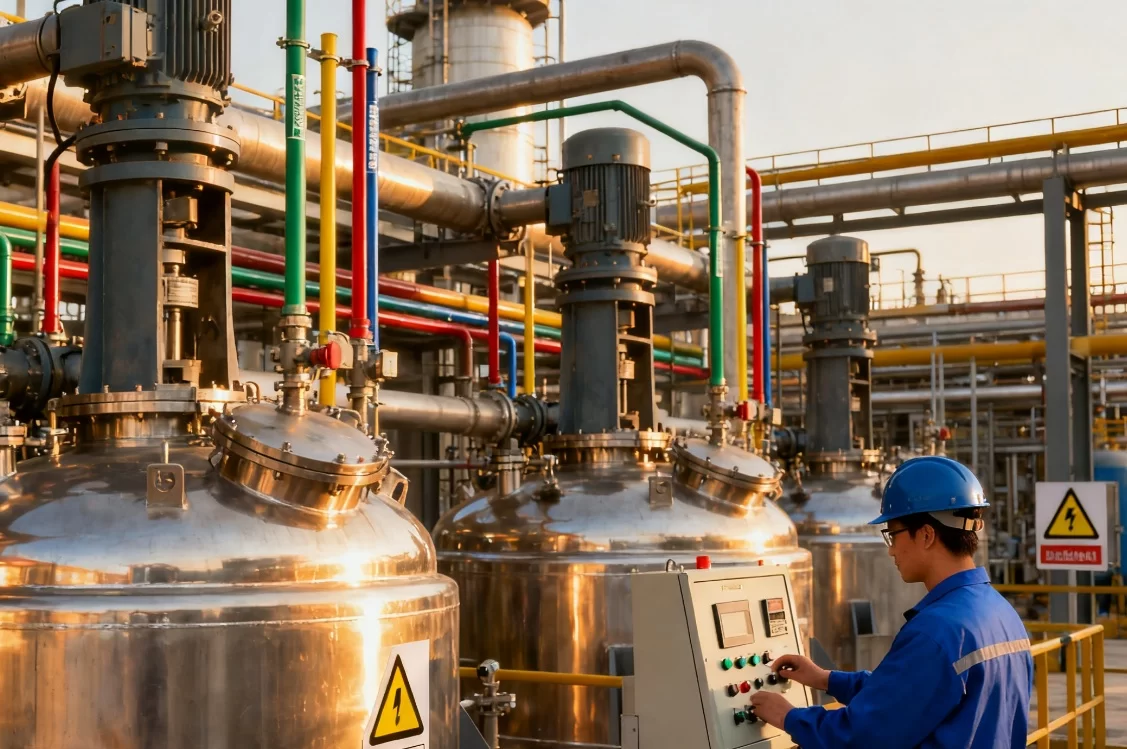
In the world of advanced material science, Liquid Glass has emerged as a revolutionary solution for protecting surfaces against wear, corrosion, and environmental damage. Also known as nano-ceramic coating, this invisible shield provides an unparalleled level of hardness and clarity. Whether you are looking to protect automotive paint, architectural glass, or industrial machinery, understanding how this technology works is the first step toward maintaining your assets for years to come. In this guide, we will explore why this technology is replacing traditional waxes and sealants in professional industries.
What Exactly is Liquid Glass Technology?
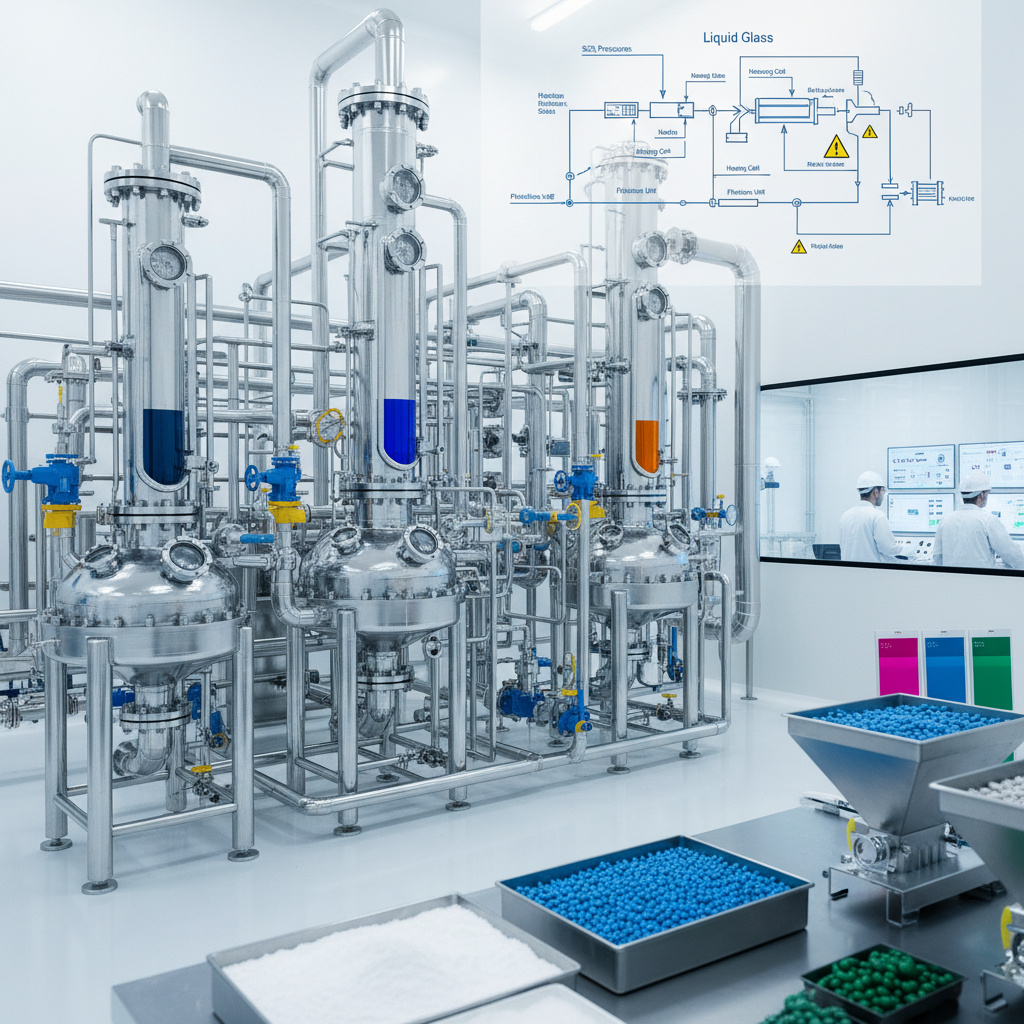
At its core, Liquid Glass is a silicon dioxide (SiO2) based coating that bonds chemically with a surface at a molecular level. Unlike traditional coatings that simply sit on top of the material, this nano-coating fills in the microscopic pores of the substrate, creating a seamless, non-porous barrier. This results in a surface that is not only exceptionally hard but also hydrophobic, meaning it repels water and contaminants with ease. This chemical bond is what ensures the longevity and durability of the protection, making it an ideal choice for high-traffic areas.
Key Insight: Because it works at the nano-scale, the coating remains invisible to the naked eye, preserving the original aesthetic of the material while providing heavy-duty protection.
The Core Benefits of Applying Liquid Glass
The adoption of Liquid Glass across various sectors is driven by its multifunctional properties. Firstly, the extreme hardness protects against light scratches and abrasions. Secondly, the hydrophobic nature prevents water spots and reduces the accumulation of grime, which significantly lowers maintenance costs. Furthermore, it provides a high degree of UV resistance, preventing the fading and yellowing often seen in plastics and paints exposed to sunlight. For businesses, this translates to a longer lifecycle for their equipment and facilities.
Primary Advantages:
• Superior Scratch Resistance: Hardens the surface to prevent micro-marring.
• Hydrophobic Effect: Water beads off, preventing mineral deposits.
• Anti-Corrosion: Seals out oxygen and moisture from metal surfaces.
• Enhanced Aesthetics: Provides a deep, crystal-clear gloss finish.
Comparing Liquid Glass vs. Traditional Sealants
When deciding on a protection method, it is essential to compare Liquid Glass with traditional options like wax or polymer sealants. Traditional waxes are organic compounds that melt at relatively low temperatures and wear off within weeks. In contrast, nano-coatings create a semi-permanent layer that can last for years. While the initial application process for ceramic-based liquid glass is more meticulous, the long-term ROI is significantly higher due to the reduced frequency of re-application and superior protection levels.
Industrial Applications for Liquid Glass
The versatility of Liquid Glass makes it a staple in various high-stakes industries. In the automotive sector, it is used to protect clear coats from road salt and bird droppings. In architecture, it is applied to glass facades to create "self-cleaning" windows that require less water and detergent. Furthermore, the marine industry uses these coatings to protect hulls and decks from the corrosive effects of saltwater. Even in electronics, nano-coatings are used to provide moisture resistance to internal circuitry, proving that this technology is essential for modern durability.
Technical Specifications of Nano-Glass Coatings
To truly appreciate the power of Liquid Glass, one must look at the technical data. Most professional-grade coatings aim for a 9H hardness rating on the Mohs scale, which is significantly harder than standard automotive clear coats. The thickness of the layer is measured in microns, ensuring that it does not change the dimensions of the part it is protecting. Below is a typical specification table for industrial-grade liquid glass coatings:
Best Practices for Application and Maintenance
Applying Liquid Glass is not as simple as spraying a product. For the chemical bond to occur, the surface must be completely sterile. This involves deep cleaning, degreasing, and often using a clay bar to remove embedded contaminants. Once applied, the coating requires a specific "curing" period where it should not be exposed to water. After curing, maintenance is minimal—simple pH-neutral soaps are sufficient to keep the hydrophobic properties active without damaging the nano-layer.
Conclusion: The Future of Surface Protection
The transition toward Liquid Glass represents a shift toward sustainable and high-performance maintenance. By creating a permanent, invisible shield, we reduce the need for harsh chemicals and frequent replacements of damaged materials. Whether for industrial utility or aesthetic luxury, the benefits of nano-ceramic technology are undeniable. Investing in high-quality glass coatings today ensures a cleaner, more durable, and more valuable asset for the future.
Frequently Asked Questions (FAQs)
Can Liquid Glass be removed if I want to repaint the surface?
Yes, although it is designed to be semi-permanent, Liquid Glass can be removed using professional polishing compounds or abrasive cleaners. Because the coating is extremely hard, a mechanical abrasion process is required to strip the SiO2 layer from the substrate. This is typically done during a full paint correction process before a new layer of paint or coating is applied. It is recommended to have this performed by a professional to avoid damaging the underlying material.
Is this coating safe for all types of glass and metal?
Generally, yes. Nano-ceramic coatings are compatible with most non-porous surfaces, including tempered glass, stainless steel, aluminum, and automotive clear coats. However, it is always advisable to perform a small patch test on an inconspicuous area to ensure there are no adverse reactions with specific proprietary alloys or treated surfaces. The chemical bond formed by the silicon dioxide is stable and non-reactive with the vast majority of industrial materials used in modern construction and manufacturing.
How often does Liquid Glass need to be reapplied?
Depending on the grade of the product and the severity of the environment, professional-grade Liquid Glass can last anywhere from 2 to 5 years. In high-wear environments (such as industrial machinery or coastal areas), you might notice a slight decrease in hydrophobicity after 18 months. In such cases, a "top-up" or maintenance coat can be applied to restore the original performance without needing to strip the entire original layer, effectively extending the lifespan of the protection indefinitely.
Does Liquid Glass make a surface completely scratch-proof?
While it is important to manage expectations, no coating is "100% scratch-proof." However, Liquid Glass significantly increases the surface hardness. It prevents "swirl marks" and micro-scratches caused by washing or dust. While a heavy impact or a sharp metal object can still penetrate the layer, the coating ensures that the damage is often contained within the nano-layer rather than reaching the actual paint or glass beneath, making the surface far more resilient than unprotected materials.