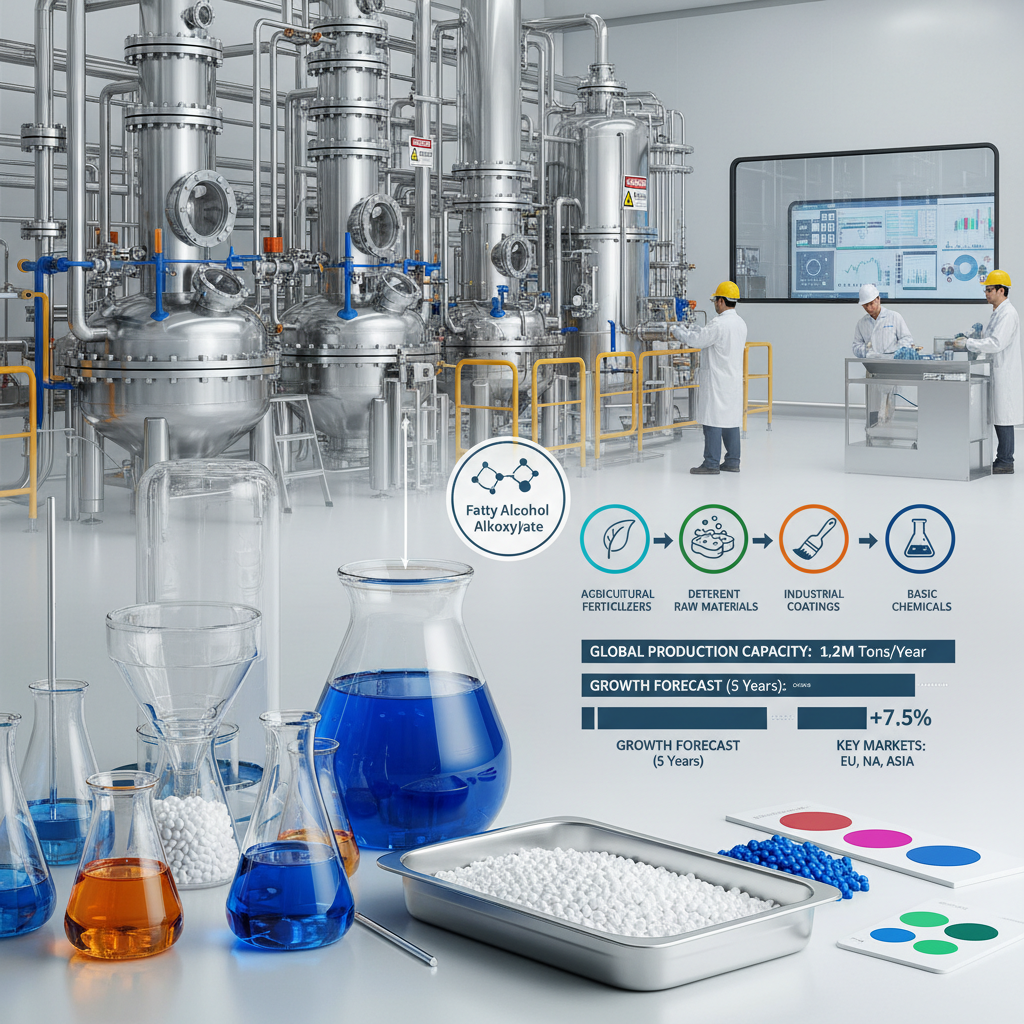
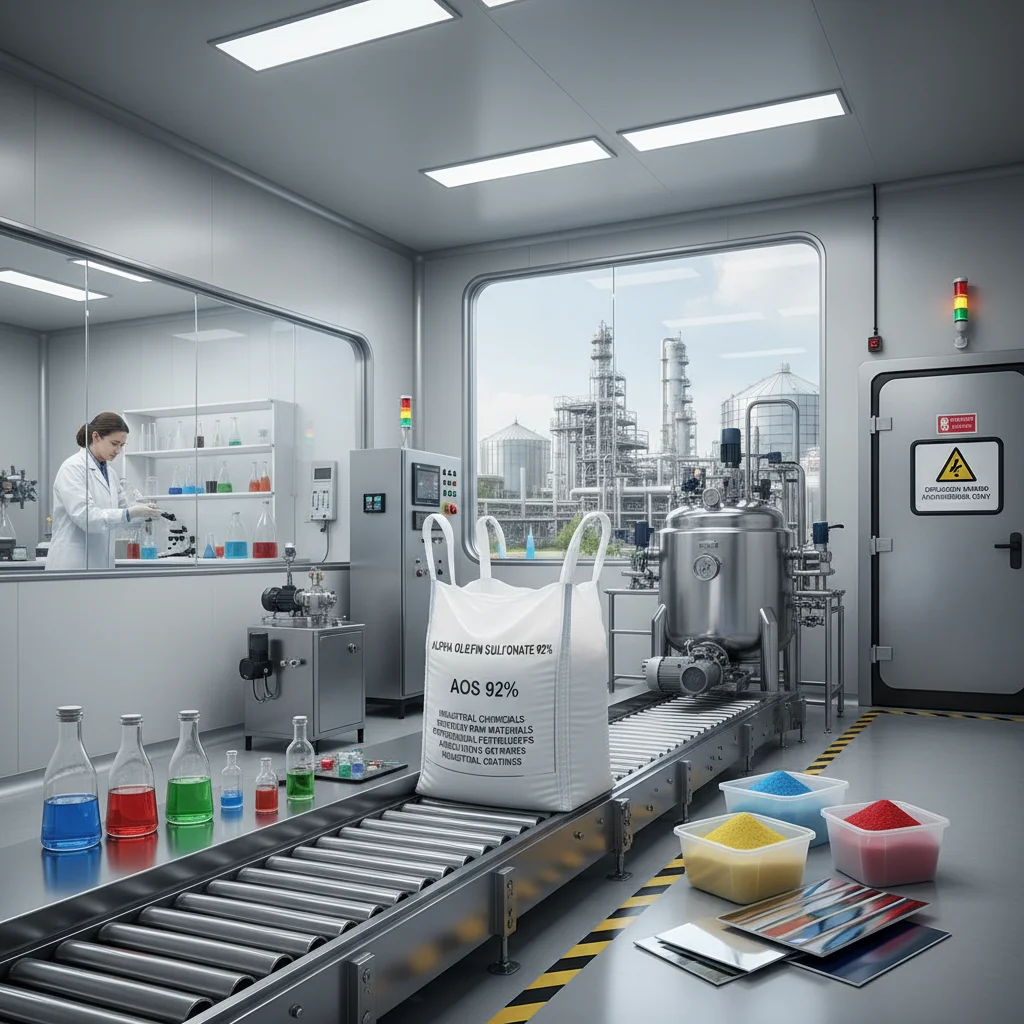
Fatty Alcohol Alkoxylates represent a crucial category of non-ionic surfactants with a wide range of industrial applications, impacting sectors from detergents and personal care to agrochemicals and oil recovery. Their versatility stems from their unique amphiphilic properties, allowing them to effectively bridge the gap between water and oil. Understanding the nuances of Fatty Alcohol Alkoxylate chemistry and applications is increasingly important for businesses seeking to optimize performance, enhance sustainability, and navigate evolving regulatory landscapes.
Globally, the demand for Fatty Alcohol Alkoxylates is projected to grow significantly, driven by expanding populations, increasing industrialization in emerging economies, and a heightened focus on environmentally friendly solutions. Market research indicates a consistent upward trend in demand, particularly for ethoxylated and propoxylated varieties. This surge in demand necessitates a deeper understanding of production processes, quality control measures, and innovative applications to meet market needs effectively.
These compounds play a vital role in improving product performance, reducing environmental impact, and driving innovation across numerous industries. As such, a comprehensive understanding of Fatty Alcohol Alkoxylates is essential for chemical engineers, product developers, and business leaders alike seeking a competitive edge in the modern market.
The Significance of Fatty Alcohol Alkoxylates
Fatty Alcohol Alkoxylates are essential components in a vast array of everyday products, often functioning as detergents, emulsifiers, wetting agents, and foam boosters. Their ability to modify surface tension and enhance the solubility of various substances makes them indispensable in numerous formulations. The impact of Fatty Alcohol Alkoxylate extends beyond immediate product performance, influencing manufacturing efficiency and reducing reliance on harsher chemical alternatives.
The selection of an appropriate Fatty Alcohol Alkoxylate is crucial for achieving desired product characteristics, and careful consideration must be given to factors such as the degree of ethoxylation or propoxylation, the fatty alcohol chain length, and the specific application requirements. This selection process ensures optimal performance and compatibility with other ingredients in a formulation.
A Global Perspective on Fatty Alcohol Alkoxylate Usage
The global Fatty Alcohol Alkoxylate market is estimated to be worth billions of dollars, with significant growth anticipated in the coming years. Asia-Pacific represents the largest consumer, driven by rapid industrialization and a burgeoning population, with China and India leading the demand. North America and Europe also maintain substantial markets, emphasizing specialized applications and high-quality formulations.
The increasing awareness of sustainability and environmental regulations is driving a shift towards bio-based Fatty Alcohol Alkoxylates derived from renewable sources, such as palm kernel oil and coconut oil. These eco-friendly alternatives offer comparable performance to their petroleum-based counterparts, addressing growing consumer demand for greener products.
This global demand also presents challenges, including supply chain vulnerabilities, price fluctuations, and the need for responsible sourcing practices. Addressing these issues requires collaborative efforts from manufacturers, distributors, and end-users to ensure a stable and sustainable supply of Fatty Alcohol Alkoxylates.
Defining Fatty Alcohol Alkoxylates: Chemistry and Structure
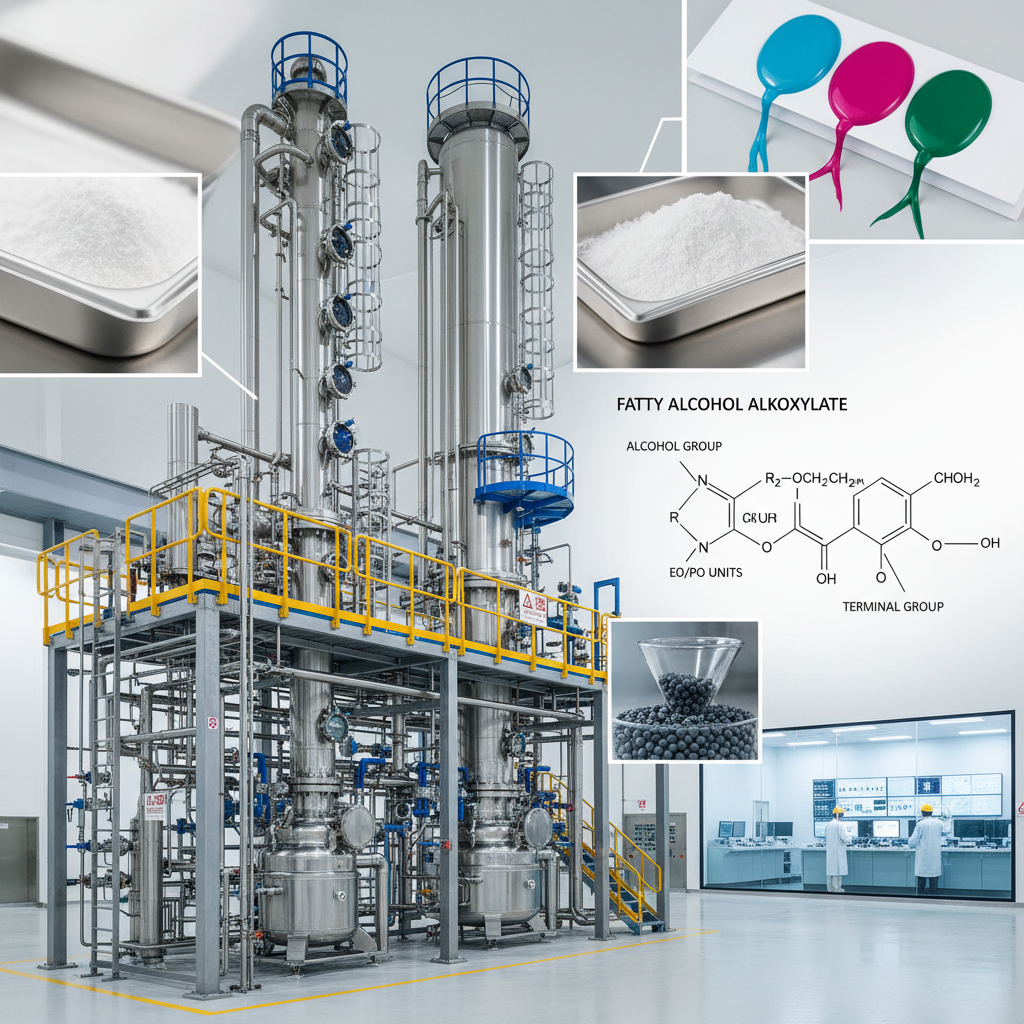
Fatty Alcohol Alkoxylates are non-ionic surfactants created by the reaction of fatty alcohols with ethylene oxide (ethoxylation) or propylene oxide (propoxylation). This process introduces hydrophilic polyether chains to the hydrophobic fatty alcohol, creating an amphiphilic molecule capable of reducing surface tension and facilitating emulsification. The resulting structure determines the surfactant's properties, such as its HLB (Hydrophilic-Lipophilic Balance) value.
The degree of alkoxylation – the number of ethylene oxide or propylene oxide units added – is a critical parameter. Higher degrees of ethoxylation increase water solubility, while propoxylation enhances oil solubility and imparts different performance characteristics. Understanding these structural nuances is crucial for tailoring Fatty Alcohol Alkoxylates to specific applications.
Different fatty alcohols can also be used in the alkoxylation process, leading to a diverse range of Fatty Alcohol Alkoxylates with varying chain lengths and properties. Common fatty alcohols include lauryl, cetyl, stearyl, and oleyl alcohols, each contributing unique characteristics to the final product. The versatility of Fatty Alcohol Alkoxylate chemistry allows for the creation of tailored solutions for a broad spectrum of industrial needs.
Key Properties Influencing Fatty Alcohol Alkoxylate Performance
Several key properties govern the performance of Fatty Alcohol Alkoxylates in various applications. First, Hydrophilic-Lipophilic Balance (HLB) dictates the surfactant’s affinity for water or oil, impacting its emulsification and solubilization capabilities. Second, Cloud Point – the temperature at which the surfactant becomes cloudy due to phase separation – is crucial for applications involving temperature variations.
Third, Surface Tension Reduction is a fundamental property, determining the surfactant’s ability to wet surfaces and enhance cleaning efficiency. Fourth, Foaming Characteristics – the amount and stability of foam produced – are vital in applications like detergents and personal care products.
Comparative Performance of Different Fatty Alcohol Alkoxylate Methods
Diverse Applications of Fatty Alcohol Alkoxylates Worldwide
Fatty Alcohol Alkoxylates find extensive use in the detergent industry, serving as primary surfactants in laundry detergents, dishwashing liquids, and household cleaners. Their excellent wetting and emulsifying properties contribute to effective stain removal and grease cutting. In personal care, they are key ingredients in shampoos, body washes, and cosmetics, providing gentle cleansing and foaming action.
Agriculture benefits from Fatty Alcohol Alkoxylates as adjuvants in pesticide formulations, enhancing spray coverage and improving herbicide efficacy. They are also used in oil recovery to reduce interfacial tension and improve oil mobilization. Furthermore, they play a crucial role in the textile industry as leveling agents and wetting agents during dyeing and finishing processes.
Advantages and Long-Term Value of Using Fatty Alcohol Alkoxylates
The advantages of employing Fatty Alcohol Alkoxylate are manifold. Cost-effectiveness is a key driver, as they offer a balance of performance and price compared to other surfactant classes. Their biodegradability contributes to environmental sustainability, aligning with increasingly stringent regulations and consumer preferences. Furthermore, their versatility allows for customized formulations, optimizing performance for specific applications.
Long-term value extends beyond immediate benefits, fostering brand loyalty through superior product performance and enhanced consumer experience. The use of bio-based Fatty Alcohol Alkoxylates strengthens a company’s commitment to sustainability, improving its reputation and attracting environmentally conscious customers. Their reliability and consistent performance contribute to efficient manufacturing processes and reduced waste.
Future Trends and Innovations in Fatty Alcohol Alkoxylate Technology
The future of Fatty Alcohol Alkoxylate technology is focused on sustainable sourcing, enhanced performance, and novel applications. Research and development efforts are directed towards utilizing alternative feedstocks, such as algae and waste biomass, to produce bio-based Fatty Alcohol Alkoxylates with a reduced carbon footprint. Digital transformation and automation are optimizing production processes, improving quality control, and reducing manufacturing costs.
Innovations in alkoxylation techniques, such as controlled ethoxylation and propoxylation, are enabling the creation of Fatty Alcohol Alkoxylates with tailored properties for specific applications. The integration of nanotechnology and microencapsulation is enhancing their performance in areas such as drug delivery and targeted agriculture.
The increasing demand for high-performance, eco-friendly surfactants will continue to drive innovation in the Fatty Alcohol Alkoxylate sector, shaping the future of numerous industries.
Analysis of Key Factors Influencing Fatty Alcohol Alkoxylate Effectiveness
| Alkoxylation Degree |
Fatty Alcohol Chain Length |
Application Area |
Performance Impact |
| 3 EO |
C12-C14 |
Laundry Detergents |
Excellent oil removal, moderate foaming |
| 7 EO |
C12-C18 |
Personal Care (Shampoos) |
Gentle cleansing, stable foam |
| 10 EO |
C16-C18 |
Emulsifiers |
High emulsification efficiency |
| 5 PO |
C12-C14 |
Oil Recovery |
Reduced Interfacial Tension |
| 2 EO/3 PO |
C10-C12 |
Agrochemical Adjuvants |
Improved Spray Coverage |
| 15 EO |
C18 |
Textile Wetting Agents |
Superior Wetting Properties |
FAQS
Ethoxylated Fatty Alcohol Alkoxylates, created using ethylene oxide, generally exhibit higher water solubility and are excellent detergents and emulsifiers. Propoxylated Fatty Alcohol Alkoxylates, produced with propylene oxide, are more oil-soluble and function better as defoamers or in applications requiring lower surface tension. The choice depends on the desired application and the polarity of the substances being mixed.
Generally, Fatty Alcohol Alkoxylates are considered safe for use in personal care products when used within established concentration limits. Regulatory bodies like the FDA and the European Commission have assessed their safety and approved their use in cosmetics and toiletries. However, it’s crucial to ensure the raw materials meet purity standards and avoid residual ethylene oxide or propylene oxide.
The fatty alcohol chain length influences the overall hydrophobicity and performance characteristics of the alkoxylate. Shorter chain alcohols (e.g., C12) result in more water-soluble products suitable for detergents and foaming applications, while longer chains (e.g., C18) create more oil-soluble products useful as emollients or in emulsification. Choosing the correct chain length is critical for optimized performance.
Bio-based Fatty Alcohol Alkoxylates offer several environmental advantages. They are derived from renewable resources, reducing reliance on fossil fuels. They often exhibit higher biodegradability, minimizing their persistence in the environment. Furthermore, the production of bio-based alkoxylates typically has a lower carbon footprint compared to conventional petrochemical-based processes.
The HLB (Hydrophilic-Lipophilic Balance) value is a measure of the relative hydrophilicity and lipophilicity of a surfactant. It’s determined through empirical methods and indicates the surfactant’s tendency to partition between water and oil. A higher HLB value suggests greater water solubility, while a lower value indicates greater oil solubility. Understanding the HLB value is crucial for selecting the appropriate surfactant for a specific emulsification or solubilization application.
Fatty Alcohol Alkoxylates are generally stable compounds, but proper storage and handling are essential. They should be stored in tightly closed containers in a cool, dry, and well-ventilated area away from direct sunlight and heat sources. Avoid contact with strong oxidizers and acids. Follow the safety guidelines outlined in the Material Safety Data Sheet (MSDS) for handling precautions and personal protective equipment.
Conclusion
Fatty Alcohol Alkoxylates represent a cornerstone of modern surfactant chemistry, enabling a wide range of applications across diverse industries. Their versatility, biodegradability, and cost-effectiveness make them invaluable components in detergents, personal care products, agrochemicals, and beyond. Understanding their properties, applications, and future trends is crucial for businesses seeking to innovate and remain competitive in a rapidly evolving market.
Looking ahead, continued investment in sustainable sourcing, advanced alkoxylation techniques, and novel applications will further enhance the value of Fatty Alcohol Alkoxylates. By embracing innovation and prioritizing environmental responsibility, we can unlock the full potential of these remarkable compounds and contribute to a more sustainable future. For more information on Fatty Alcohol Alkoxylates and our range of products, visit our website: www.zjsles.com.