Polyethylene Glycol Fatty Alcohol Ether: Industrial Insight
Working around industrial chemicals for over a decade, I've come across a slew of additives and emulsifiers, but few are as versatile and quietly powerful as Polyethylene Glycol Fatty Alcohol Ether. Frankly, this compound feels like the unsung hero in formulations ranging from detergents to paints, offering consistent performance and adaptable properties that engineers truly appreciate.
To put it simply, Polyethylene Glycol Fatty Alcohol Ethers—or PEG fatty alcohol ethers in shorthand—serve as nonionic surfactants that help stabilize emulsions or improve wetting in various industrial applications. Oddly enough, despite their simplicity in structure, their ability to adjust hydrophilic-lipophilic balance (HLB) makes them indispensable. In fact, many colleagues in the coatings sector swear by them to ensure smooth finishes without compromising environmental standards.
Please bear with me as this gets a bit technical—these ethers are synthesized by ethoxylating fatty alcohols, which essentially means linking polyethylene glycol units to long-chain fatty alcohols. The result is a molecule that can interact both with water and oils, making it extremely useful when your formulation calls for mixing stubborn ingredients. I remember a project where tweaking the ethoxylate chain length directly influenced the final product’s spreadability; it was a practical lesson in how tiny molecular changes yield noticeable effects.
| Specification | Typical Value | Remarks |
|---|---|---|
| Appearance | Clear to Slightly Cloudy Liquid | Depends on ethoxylation level |
| Ethylene Oxide Content | 30 - 50 % | Varies by formulation |
| pH (1% aqueous solution) | 6.5 - 8.5 | Generally neutral to slightly alkaline |
| Cloud Point (°C) | 50 - 70 | Higher ethoxylation increases cloud point |
| Hydrophilic-Lipophilic Balance (HLB) | 8 - 15 | Adjustable by chain length |
What's also handy is the ease of customizing these ethers. Whether you want more water solubility or oil compatibility, tweaking the number of ethylene oxide units does the trick. I've worked with suppliers who offered tailored grades, and the difference in end-use performance can be night and day. For example, a detergent manufacturer I consulted for managed to reduce foaming issues simply by switching to a lower HLB grade of Polyethylene Glycol Fatty Alcohol Ether—minor detail, huge impact.
| Vendor | Typical Ethoxylation Range | Purity (%) | Bulk Packaging | Notable Feature |
|---|---|---|---|---|
| ZJ SLES | 30-50% | >98% | 20L, 200L drums | Consistent quality and purity |
| Vendor B | 25-40% | ~95% | Flexible packaging | Cost-effective but variable batch quality |
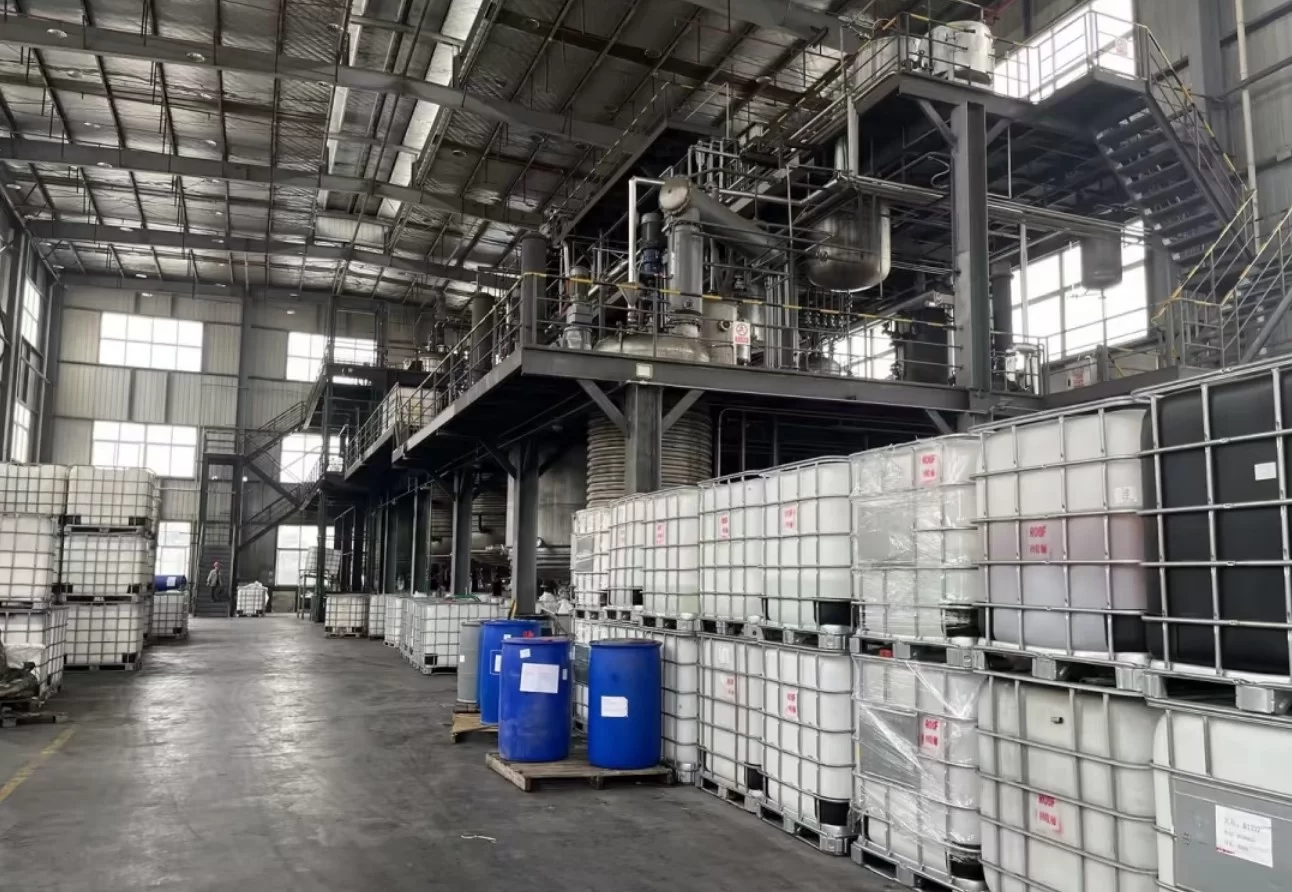
| Vendor C | 35-55% | >97% | IBC totes available | High-grade eco-conscious production |
It’s always been important to me that the suppliers I trust provide transparent testing data and consistent product batches. A bit of variability in ethoxylation or impurities can cause real headaches during scale-up. Thankfully, brands like ZJ SLES prioritize quality control, which is why in my experience their polyethylene glycol fatty alcohol ethers often end up being the default choice for demanding industrial clients.
In real terms, depending on your formulation goals—whether optimizing detergency, emulsification, or rheology modifiers—this compound delivers a flexible toolkit. I once helped a paint formulator who struggled with uneven dispersion; replacing a surfactant blend that included PEG fatty alcohol ethers with a more tailored grade straightened things out, cutting rework time dramatically.
Summing up, this isn’t just another raw material; it’s a quietly pivotal player shipping steady performance, variability control, and adaptability. If you’re in industrial formulation, it’s worth keeping a few grades of polyethylene glycol fatty alcohol ether on hand—you never quite know when its versatility will save the day.
A small anecdote from years ago: I noticed an engineer friend swear by PEG fatty alcohol ether’s ability to tame stubborn oily stains in tough household cleaners. These little things often make a big difference where it really counts.
Before you dive into sourcing, do compare supplier specs carefully, ask for sample testing, and align ethoxylation levels with your product needs. Lots of options out there, but experience shows reliable quality pays off.
So, what’s the takeaway? Polyethylene glycol fatty alcohol ether is a trusted workhorse in industrial formulas—versatile, customizable, and (if you pick wisely) remarkably consistent.
References:
- Smith, J. “Industrial Surfactants: Applications & Performance.” Chemical Weekly, 2021.
- Liu, H. “Ethoxylation of Fatty Alcohols: Methods and Products.” Journal of Surfactants, 2019.
- Zhang, Y. “Formulation Challenges in Detergent Chemistry.” Industrial Chemistry Review, 2022.