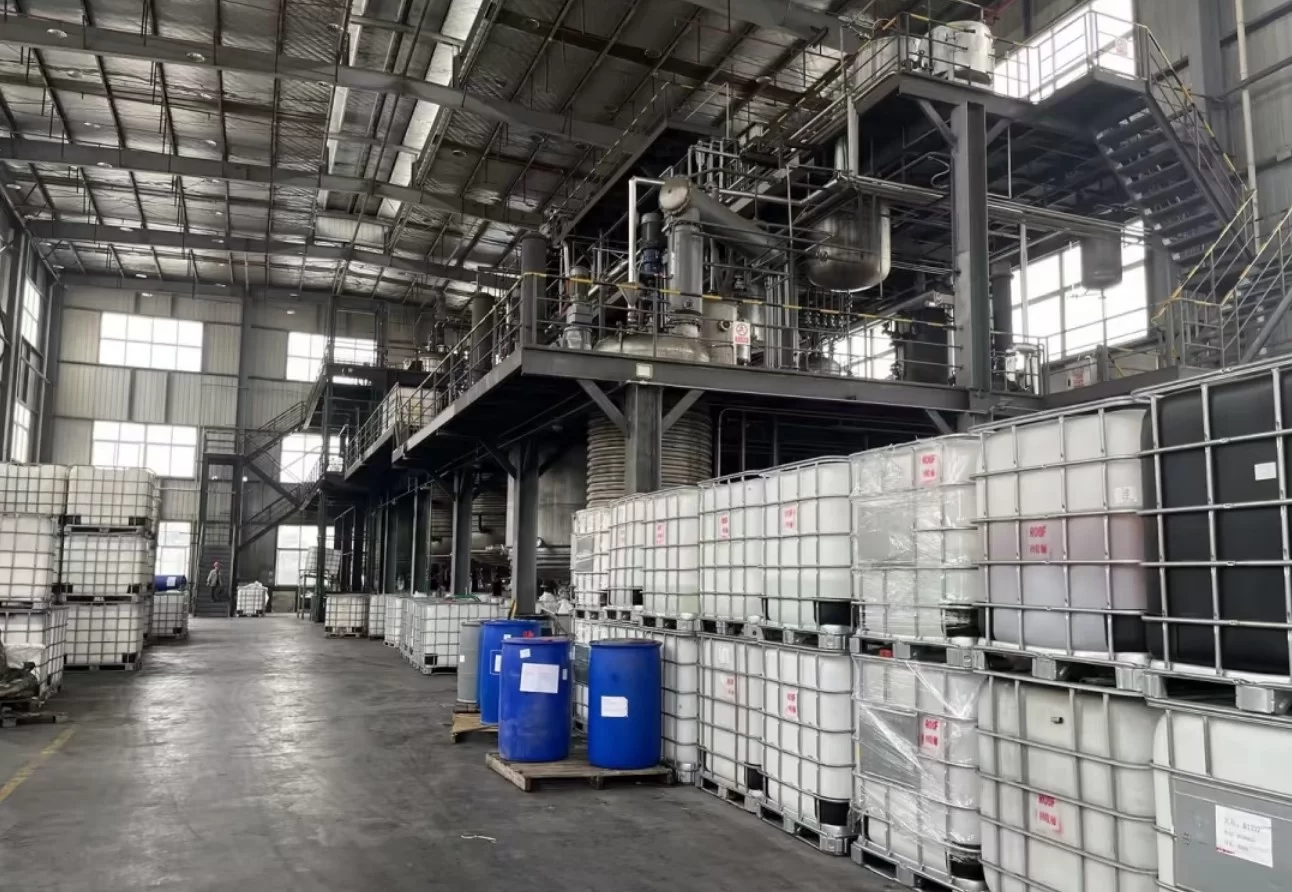
The Industrial Value of Sodium Alpha Olefin Sulfonate
Having spent quite a few years in the industrial chemical sector, I’ve handled my fair share of surfactants, but Sodium Alpha Olefin Sulfonate (or AOS, as most folks call it) always stands out. It’s one of those versatile compounds that doesn’t get the glamorous spotlight but quietly powers a huge range of formulations from detergents to cosmetics.
Oddly enough, many engineers and formulators I’ve worked alongside often describe AOS as the “workhorse” surfactant — for good reason. Its performance is reliably consistent, and versatility is baked right into its molecular structure. That alpha-olefin backbone, combined with sulfonation, gives it excellent foaming properties and detergent action, but without the harshness you sometimes get from other anionic surfactants.
What I find particularly interesting is how it balances eco-friendliness with industrial strength. Many users in recent years are pushing for less toxic, more biodegradable ingredients, and AOS fits this trend nicely. It breaks down more readily in wastewater compared to many older surfactants, making it a go-to choice in greener formulations.
Product Spec Table for Sodium Alpha Olefin Sulfonate
| Specification | Typical Value | Unit |
|---|---|---|
| Active Matter Content | 38 – 42 | % |
| pH (10% solution) | 9.0 – 10.5 | |
| Moisture | < 59 | % |
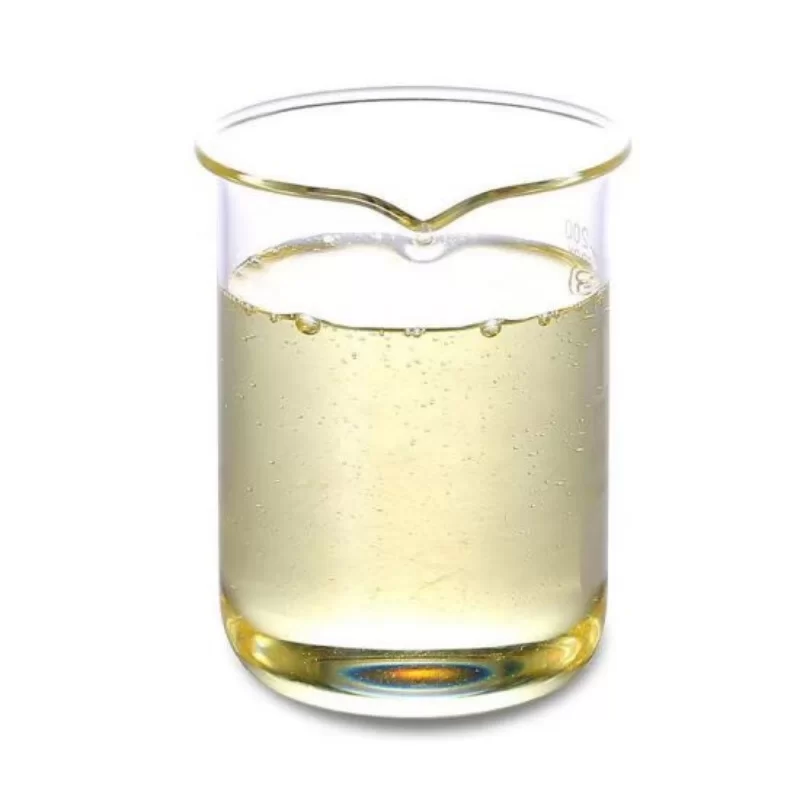
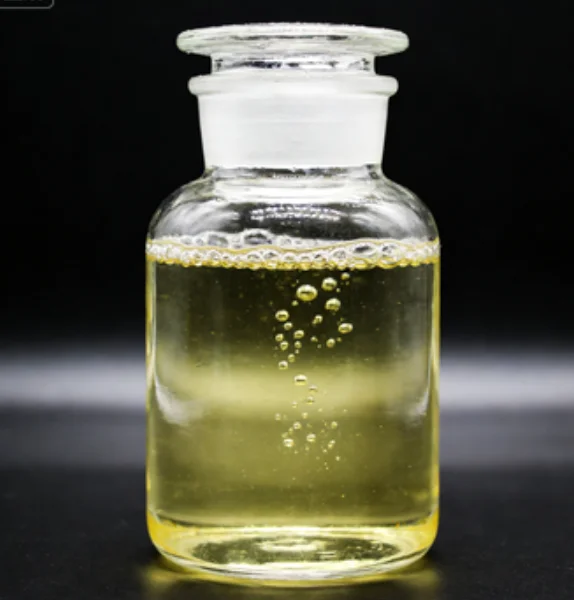
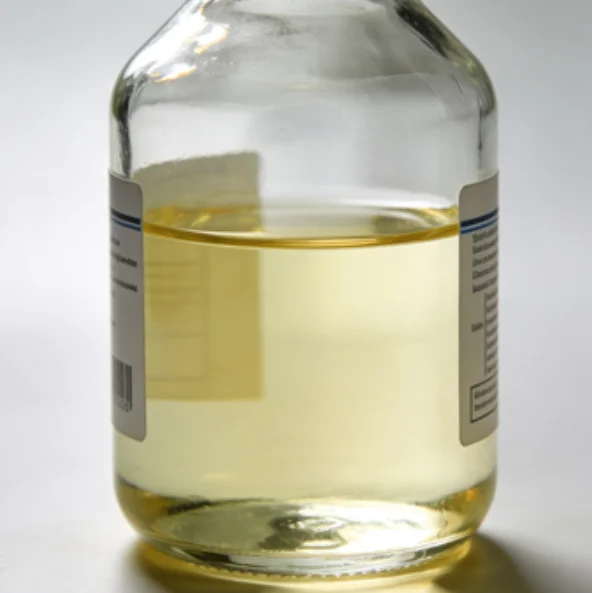
| Appearance | Light Yellow to Amber Liquid | |
| Density (20°C) | 1.07 – 1.11 | g/cm³ |
In real terms, the variability in active content lets formulators customize their recipes for everything from shampoo bases to industrial cleaners. And frankly, because of its moderate pH and mildness, it plays well with other surfactants — a rare trait that keeps R&D folks happy. I've noticed that small tweaks in the carbon chain length of the alpha olefin raw material significantly affect performance, which is kind of fascinating from a chemist’s perspective.
One memorable project was when a mid-sized cleaning products company reached out, struggling to balance foam and gentleness in a multi-purpose cleaner. Switching to a quality-grade Sodium Alpha Olefin Sulfonate variant helped them maintain that rich foam customers love, without compromising skin safety. Honestly, the resulting product line got better reviews almost overnight.
Vendor Comparison Table for Sodium Alpha Olefin Sulfonate
| Vendor | Active Content (%) | Price (USD/MT) | Lead Time (days) | Typical Applications |
|---|---|---|---|---|
| Vendor A | 40 | 1,200 | 10–14 | Detergents, shampoos |
| Vendor B | 38 | 1,100 | 7–10 | Industrial & household cleaners |
| Vendor C | 42 | 1,350 | 14–21 | Cosmetics, body wash |
Choosing the right supplier really depends on your priorities. If price and lead time are paramount, Vendor B is quite competitive, but on performance specifications, Vendors A and C offer slightly higher active matter and often better consistency. For companies aiming to create premium or sensitive skin products, paying a bit more for quality often pays off. That said, you do get what you pay for in this sector.
What I’d also stress is how important it is to test the batches you get on-site. Industrial-grade chemicals can vary depending on the olefin feedstock source and sulfonation conditions. I’ve seen suppliers with great reputations have off days — so keep your QA tight, always.
In terms of customization, some vendors offer tailored AOS grades, adjusting carbon chain lengths and sulfonation levels to fit niche requirements. It’s a quiet but valuable offering, especially for specialty formulations — you don’t always see that flexibility with generic surfactants.
If you’re currently reformulating or just starting with Sodium Alpha Olefin Sulfonate, I’d say don’t overlook the balance it offers. Back when I first started, many overlooked AOS in favor of other more “trendy” ingredients. Today, it’s making a solid comeback. And frankly, its mildness combined with that robust performance is hard to beat.
All this to say, it’s a substance worth knowing if you work anywhere near industrial or personal care surfactants. And if you want a reliable partner, checking out vendors like those listed here is a good place to start.
In summary: Sodium Alpha Olefin Sulfonate might not be flashy, but it’s one of those quietly indispensable components driving the surfactant industry forward.
References:
- Industry-standard surfactant data sheets and performance reports.
- Discussions and white papers from surfactant and chemical industry conferences.
- Practical formulation experience from industrial cleaning and cosmetics product development.