Understanding Anionic Surfactants: Why They Matter Globally
Anionic surfactants form the backbone of many cleaning products, detergents, and industrial applications worldwide. These molecules, due to their unique chemical structure, help lower surface tension and emulsify oils — which might sound a bit technical, but their effect on daily hygiene, industry, and even environmental sustainability is profound.
Why should you care? Well, the global surfactant market was valued at over $20 billion in recent years, driven largely by anionic surfactants. Their applications span from household soaps to complex pharmaceutical formulations, making them crucial not just economically but socially. In emergencies—think post-disaster relief—effective cleaning agents prevent disease outbreaks, illustrating their importance beyond mere convenience.
Introduction: The Global Relevance of Anionic Surfactants
The world produces millions of tons of surfactants annually. According to the Wikipedia Surfactant page, anionic surfactants dominate the marketplace, particularly in Asia-Pacific, North America, and Europe, reflecting the scale of industrialization and population density in these regions. The United Nations Environment Programme has also flagged surfactant pollution from poorly treated wastewater as a concern—making the search for biodegradable, efficient surfactants a global challenge.
This creates an interesting paradox: how to maintain massive production and use without compromising ecosystems. Part of that solution involves optimizing anionic surfactants for efficacy and biodegradability.
Mini takeaway: Anionic surfactants aren’t just chemistry; they’re vital to global hygiene, industry, and ecological balance.
What is an Anionic Surfactant?
Simply put: anionic surfactants are surface-active agents bearing a negative charge in their hydrophilic (water-loving) head group. This negativity causes them to repel dirt and oil molecules, binding to grime and lifting it from surfaces. This trait explains why they’re mainstays in common detergents and soaps.
From a humanitarian perspective, such surfactants enable effective cleaning even in water-scarce or challenging environments—think refugee camps or rural clinics—where infection control depends on good sanitation.
Mini takeaway: Anionic surfactants’ negatively-charged heads make them uniquely suited for effective cleaning and hygiene worldwide.
Key Factors That Define Anionic Surfactants
1. Chemical Structure and Durability
At the molecular level, they combine a hydrophobic tail (usually a hydrocarbon chain) with a hydrophilic, negatively charged head (e.g., sulfate or sulfonate groups). This configuration grants them good water solubility and interaction with oils. But durability is a double-edged sword—strong persistence in wastewater can pose environmental risks, driving formulation changes toward biodegradable variants.
2. Cost Efficiency
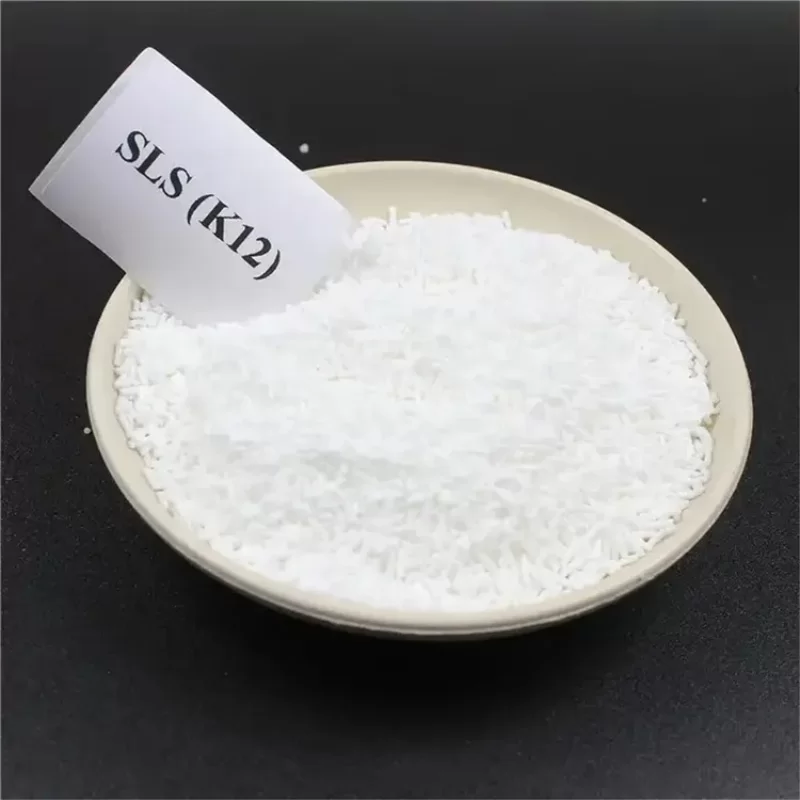
Anionic surfactants like sodium lauryl sulfate are cheap to produce at scale, making them favored in household and industrial products alike. This cost-effectiveness promotes accessibility, ensuring hygiene products stay affordable globally.
3. Scalability & Availability
Thanks to mature chemical processes, these surfactants are accessible worldwide—critical for meeting surging demands in emerging economies.
4. Environmental Impact
Oddly enough, while hugely beneficial, anionic surfactants can contribute to water pollution if not properly biodegraded. This challenge propels innovation toward greener options.
5. Compatibility and Versatility
Anionic surfactants mix well with other surfactant types and formula ingredients, making them valuable in multi-purpose cleaners, cosmetics, and pharmaceuticals.
Mini takeaway: Their balance of cost, effectiveness, and environmental considerations makes anionic surfactants complex but indispensable.
Global Applications and Use Cases
- Household Cleaning: Detergents, shampoos, and soaps worldwide rely on anionic surfactants for effective grease and dirt removal.
- Industrial Use: Oil extraction, textile processing, and metal cleaning utilize specialized anionic surfactants tailored for harsh conditions.
- Post-disaster Hygiene: Emergency kits include detergents with these surfactants to curb infection risks in refugee setups.
- Agriculture: Used as wetting agents and dispersants to improve pesticide efficacy.
Regions from densely populated Asia to arid Africa benefit from these by-products of modern chemistry to uplift sanitation and industrial progress alike.
Mini takeaway: Anionic surfactants impact various sectors globally — from home kitchens to disaster relief camps.
Advantages and Long-Term Value
The tangible benefits of anionic surfactants are numerous. They keep products affordable, they’re generally biodegradable (with newer innovations accelerating this), and they provide reliable cleaning power even in hard water or low temperature — qualities that build consumer trust and support corporate sustainability goals.
On a human level, good cleaning equals improved health outcomes and dignity, especially critical in vulnerable populations. The reliability of anionic surfactants, frankly, helps prevent illness and boosts quality of life.
Mini takeaway: They offer a winning mix of economic, environmental, and social benefits that continue to evolve positively.
Future Trends & Innovations
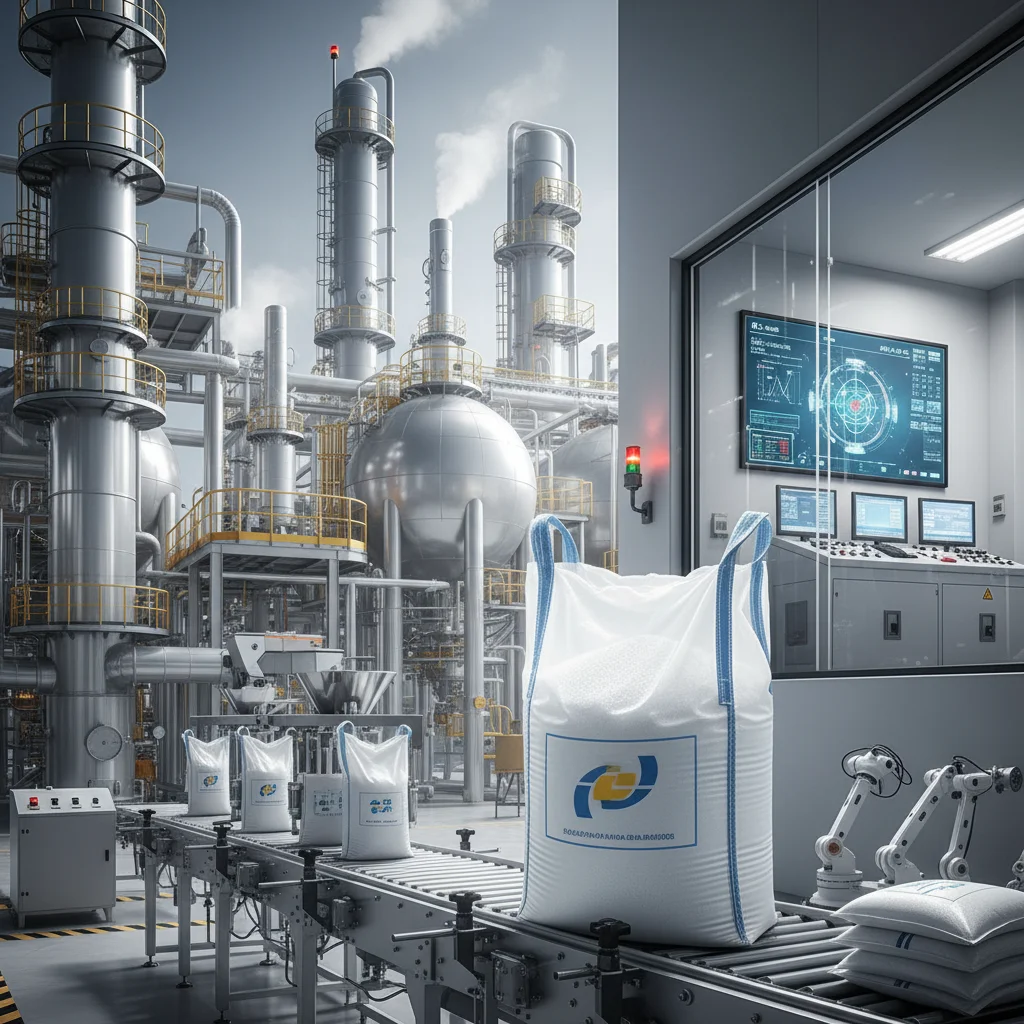
The future is green. Many companies invest heavily in bio-based anionic surfactants derived from plant oils rather than petrochemicals, aligning with UN sustainability goals. Digital formulation tools enable rapid prototyping of surfactants tailored for precise functions — reducing waste and speeding innovation.
Automation in production and smart monitoring of wastewater treatment promise fewer environmental impacts. These shifts show the surfactant industry evolving from a chemical commodity to a tech-enabled sustainability partner.
Mini takeaway: Expect greener formulas and smarter production shaping tomorrow’s anionic surfactant landscape.
Challenges and Solutions
The main hurdles are environmental persistence and toxicity risks to aquatic life. Despite improvements, conventional surfactants sometimes degrade slowly, accumulating in natural waters.
To counter this, researchers are developing new biodegradable molecules, while companies adopt closed-loop manufacturing and wastewater treatment innovations. Manufacturers and regulators collaborate closely to ensure product efficacy without sacrificing sustainability.
Mini takeaway: Ongoing research and regulation steadily improve the environmental footprint of these chemicals.
FAQ: Frequently Asked Questions About Anionic Surfactants
- Q: What makes anionic surfactants more effective than non-ionic ones in detergents?
- Anionic surfactants carry a negative charge that helps them bind strongly to oily dirt and particles, making them excellent at cutting grease. Non-ionic surfactants lack this charge, so they excel in different contexts like emulsification but may be less effective against tough soils.
- Q: Are anionic surfactants safe for sensitive skin?
- While generally safe at typical usage levels, some anionic surfactants can cause irritation for sensitive skin types, especially at high concentrations. Formulations often balance anionic surfactants with milding agents to reduce potential irritation.
- Q: How do anionic surfactants affect water treatment plants?
- Surfactants can be challenging for biological wastewater treatment if not biodegradable, as they may inhibit microbial activity. Advanced treatment processes and biodegradable surfactants help mitigate this impact.
- Q: Can anionic surfactants be produced sustainably?
- Yes. Industry trends favor bio-based raw materials like palm or coconut oil to manufacture more environmentally friendly anionic surfactants, supported by certifications and greener production methods.
- Q: How can companies ensure the quality of anionic surfactants?
- Quality depends on purity, consistent chemical structure, and concentration. Reputable suppliers provide detailed specs and follow ISO standards for product testing — for example, anionic surfactant vendors with strict QC protocols ensure reliable materials.
Typical Product Specifications of Anionic Surfactants
| Specification | Value (Example: Sodium Lauryl Sulfate) |
|---|---|
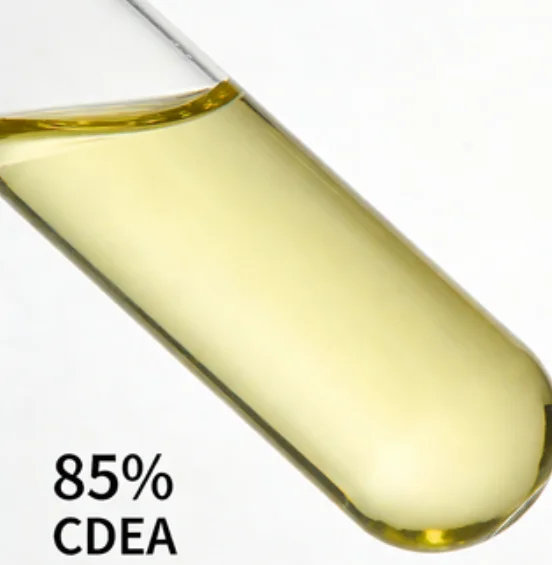
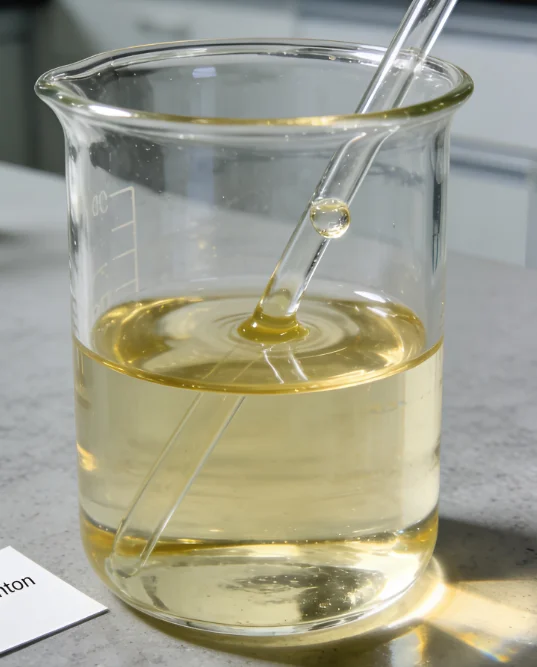
| Appearance | Clear to pale yellow liquid |
| Active Matter Content | 28-30% |
| pH (1% solution) | 7.5 - 9.5 |
| Density | 1.03 - 1.08 g/cm³ |
| Foaming Ability | High, stable foam |
| Biodegradability | Typically 70-90% in 28 days (varies) |
Comparison of Leading Anionic Surfactant Vendors
| Vendor | Product Range | Sustainability Focus | Global Reach | Typical Applications |
|---|---|---|---|---|
| Company A | Broad (SLS, ALS, SAS) | High - Bio-based, Eco-certifications | Global, with local production sites | Household, Industrial Cleaning |
| Company B | Selective (focus on biodegradable types) | Very High - Advanced green tech | Asia-Pacific, Europe | Personal Care, Agriculture |
| Company C | Standard commodity products | Moderate, compliance-based | North America, Middle East | Oil & Gas, Textiles |
Conclusion
Anionic surfactants, despite their somewhat technical nature, weave into the fabric of daily life globally — from cleaning our homes and workplaces to enabling critical hygiene in vulnerable communities. Understanding their chemistry and impact reveals a compelling story of innovation meeting responsibility. As green chemistry advances, the surfactant industry moves toward sustainable production and use, underscoring a powerful link between science and societal well-being.
If you want to dive deeper or explore sourcing options, don't hesitate to visit our website for more insights and trusted products.
Oddly enough, beneath every sudsy foam lies a complex story of chemistry, culture, and care.