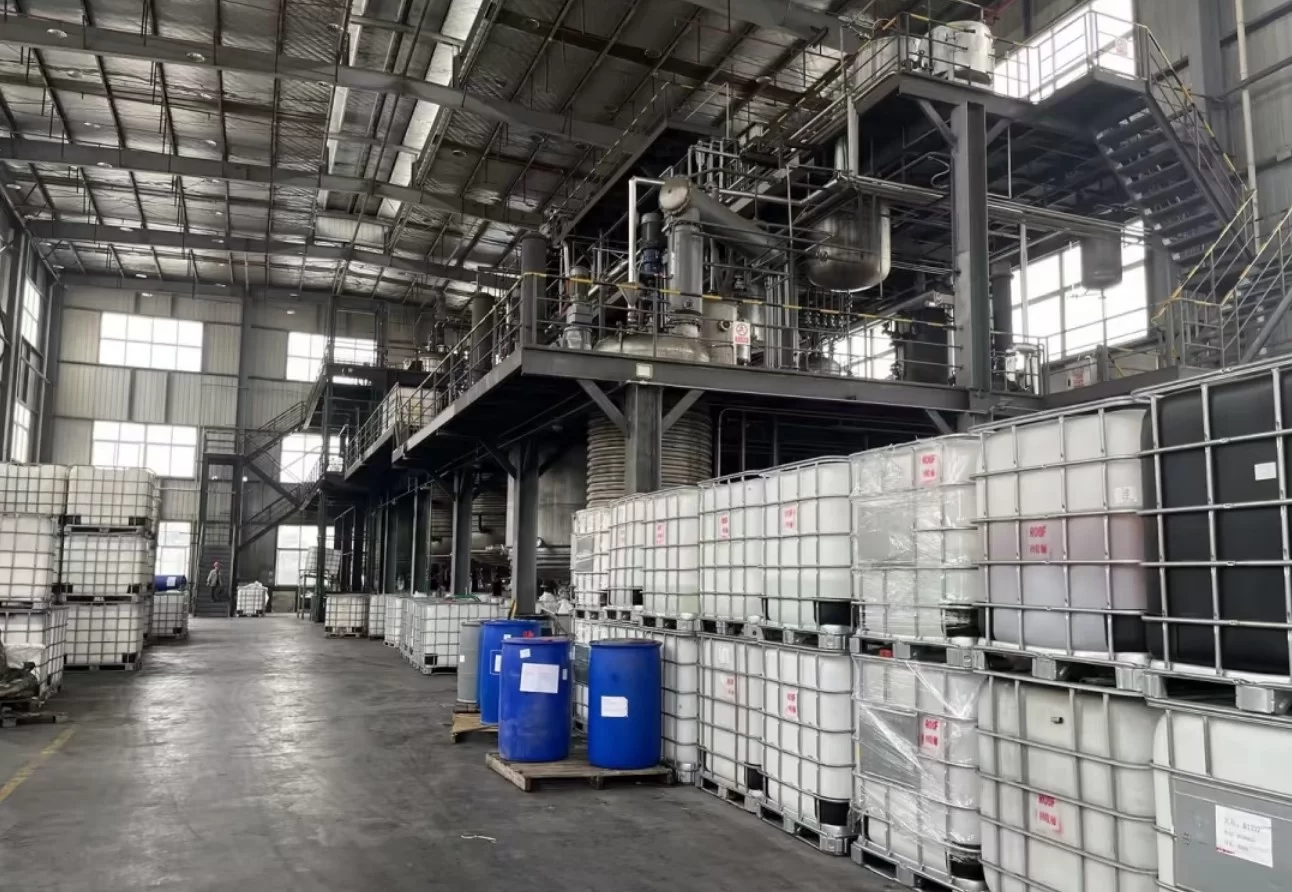
Understanding the Role of Nonionic Surfactants in Industrial Applications
After working over a decade in the industrial equipment sector, I’ve come to appreciate how certain chemical components, often overlooked, quietly drive success in various processes. Nonionic surfactants are one such example. They’re essential yet subtle players, and if you’re not paying attention, you might be missing out on their real impact.
Initially, I thought surfactants were all pretty much the same—a sort of soapiness to help mix oil and water. But nonionic surfactants have this intriguing characteristic: no electric charge. That might sound like a dry chemistry fact, but in real terms, it means they behave differently, especially in sensitive industrial formulations. You don’t get the same ionic interaction wars that anionic or cationic surfactants tend to spark.
For folks in industries like detergents, paints, coatings, and even agrochemicals, the choice of a nonionic surfactant can be a bit of a balancing act. It’s about finding the blend that gives excellent emulsification and wetting without destabilizing the product. I recall a project in which our client needed a surfactant that wouldn’t foam but still dispersed pigments uniformly. Nonionic surfactants fit the bill perfectly.
There’s also the advantage of their generally mild nature. From what I’ve noticed, many engineers appreciate how they’re less harsh to equipment and operators, which — oddly enough — can lower maintenance and safety risks over time.
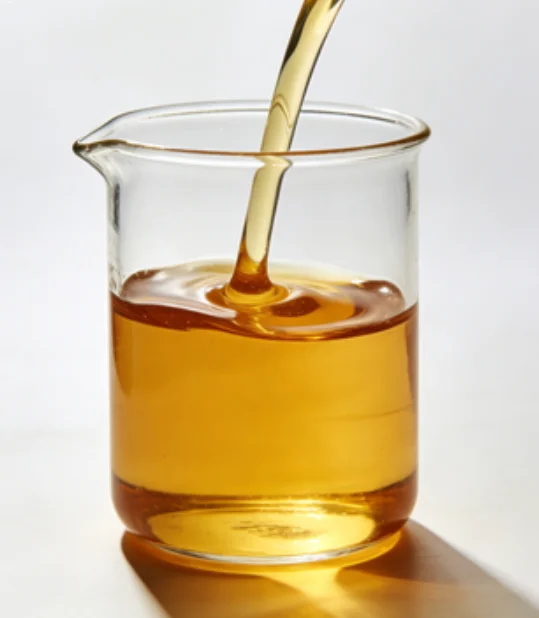
| Property | Value | Unit |
|---|---|---|
| Appearance | Clear to pale yellow liquid | - |
| Active matter content | 70–80 | % |
| pH (1% solution) | 6.5–7.5 | – |
| Cloud point | 60–90 | °C |
| Viscosity | 400±100 | mPa·s (25°C) |
Customization is another aspect worth mentioning—out in the field, no two projects are quite the same. We’ve found that tailoring chain length or branching patterns on the hydrophilic or hydrophobic parts of nonionic surfactants really moves the needle in performance. It’s not “one size fits all.” When a customer wanted better sun resistance in an eco-friendly paint, swapping in a custom nonionic surfactant improved stability significantly.
| Vendor | Active Content (%) | Cloud Point (°C) | Typical Applications | Price Range |
|---|---|---|---|---|
| ZJSLES | 78 | 75 | Detergents, coatings | $$ |
| Vendor B | 75 | 65 | Agrochemicals | $ |
| Vendor C | 80 | 90 | Paints, adhesives | $$$ |
Now, if you’re new to this sector, you might wonder about testing methods. Honestly, I’ve worked with a few labs, and cloud point testing is key—it helps confirm your surfactant's performance matches your product environment, especially for those products exposed to varying temperatures. And viscosity checks? They’re your friend for processability in mixing tanks.
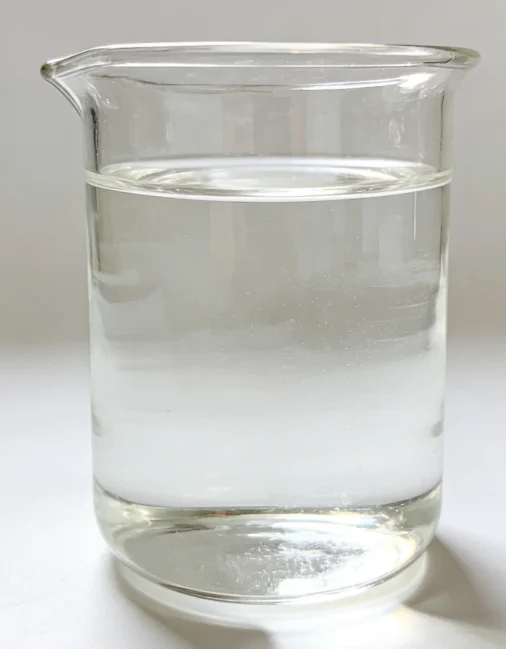
One funny thing I noticed years ago: an operator mistook a nonionic surfactant for a cleaning detergent due to its milky appearance. After a quick explanation, he appreciated its distinct role—but it reminded me how even seasoned teams can mix up chemicals if product marking isn’t clear. Safety and education always go together in this field.
So, for those of you working with or considering nonionic surfactants, remember: the devil—and delight—is in the details. Whether it’s tweaking formulations or ensuring compatibility, these chemicals quietly optimize your product’s performance.
Ultimately, it feels like embracing a subtle but powerful helper in your formulation toolkit.
References:
- Industry Standards on Surfactant Testing, ChemWorld, 2022.
- “Nonionic Surfactants in Coatings,” Journal of Industrial Chemistry, 2023.
- Internal Field Notes, Industrial Equipment Sector, 2015–2023.
Curious to experiment with or source quality surfactants? I’d suggest starting with trusted suppliers who provide detailed specs and testing support—it always pays off.