Understanding Daily Detergent: Essential Insights for Global Impact
Daily detergent—sounds almost mundane, doesn’t it? But in reality, this everyday product plays a surprisingly vital role worldwide, touching everything from household hygiene to industrial cleaning processes. Given the scale of global water use and pollution concerns, understanding what daily detergents are, their composition, and their wider impact is more important than you might first think. Whether for consumers, manufacturers, or policymakers, a clear grasp of daily detergent’s role can guide better sustainable practices and safer formulations.
Introduction: Why Daily Detergent Matters Globally
On a global scale, the demand for detergents continues to rise alongside population growth and urbanization. According to the United Nations Environment Programme, household cleaning products—including daily detergents—significantly influence water quality due to their chemical runoff into aquatic ecosystems (UNEP). Moreover, with over 3 billion people gaining access to improved sanitation facilities in the last decade (World Bank data), the need for effective cleaning agents that are both efficient and environmentally conscious is paramount.
Yet, there lies a challenge: how do manufacturers balance detergent performance with eco-friendly ingredients? This becomes a pressing issue as regulatory bodies worldwide tighten controls on phosphate content and harmful surfactants, pushing the industry toward greener alternatives.
What is Daily Detergent? A Straightforward Definition
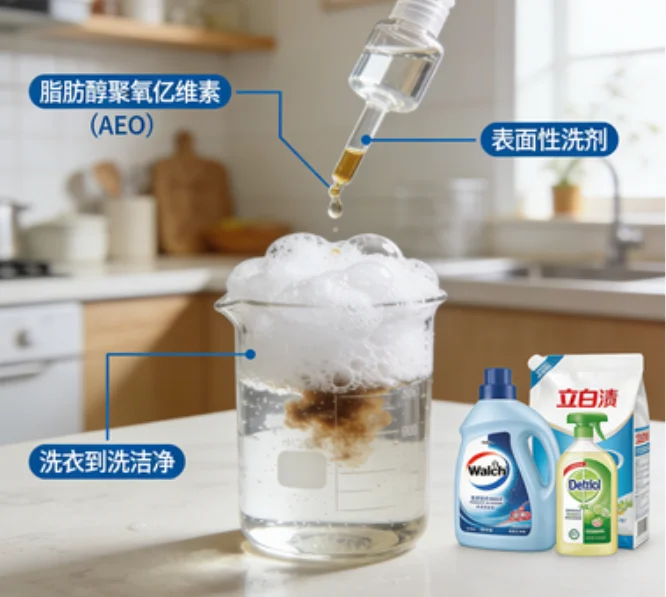
Simply put, daily detergent refers to the cleaning agents that consumers use regularly—typically for washing clothes, dishes, or household surfaces. They usually contain surfactants that break down grease and grime, enzymes that help degrade proteins and starches, as well as additives like fragrances and whiteners.
It’s worth noting that while daily detergent is mostly discussed in a household context, its formulation principles apply broadly in sectors like healthcare, hospitality, and food processing—anywhere stringent cleaning standards are needed.
Key Components of Daily Detergent
1. Surfactants: The Cleaning Workhorse
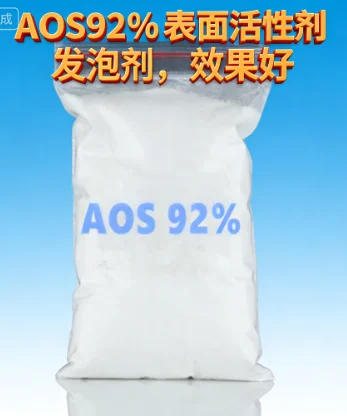
Surfactants reduce water’s surface tension, making it easier to lift dirt. They’re often classified as anionic, cationic, or nonionic, each serving different functions—some specialize in grease removal, others in fabric care.
2. Builders: Boosting Efficiency
Builders, such as phosphates or zeolites, soften hard water and enhance surfactants’ power. However, due to environmental concerns, phosphate builders have seen declining use in many countries.
3. Enzymes: Targeted Stain Removal
Enzymes like protease and amylase break down protein and starch stains, supporting lower temperature washes which save energy.
4. Additives: Fragrance, Brighteners, and Stabilizers
These improve consumer appeal but also affect shelf life and user experience.
Product Specifications Snapshot
| Feature | Typical Range | Purpose |
|---|---|---|
| Surfactant Content | 10%-25% | Dirt removal |
| Builders (Phosphates/Zeolites) | 5%-15% | Water softening |
| Enzymes | 0.5%-5% | Stain removal |
| Fragrance/Additives | 1%-5% | User experience |
Mini Takeaway: The balance of surfactants, builders, and enzymes defines detergent effectiveness and environmental footprint. It’s a fine chemistry blend with practical effects for homes and industries alike.
Global Applications & Use Cases
Daily detergent’s reach extends far beyond the laundry tub. In developing regions, detergents facilitate sanitation improvements crucial for public health. For example, in Southeast Asia, NGOs integrate effective detergents into hygiene kits, reducing infection risks during outbreaks. Industrially, in food processing plants across Europe, specialty detergents meet exacting cleanliness standards compliant with ISO guidelines.
Oddly enough, even humanitarian efforts after natural disasters rely heavily on accessible detergents. Post-flood flood relief camps often see donated detergent brands that must balance efficacy with safety for sensitive populations.
Vendor Comparison: Popular Daily Detergents
| Brand | Eco-friendliness | Cost per kg | Key Markets | Unique Features |
|---|---|---|---|---|
| EcoClean | High (biodegradable surfactants) | $4.50 | Europe, North America | Phosphate-free formula |
| CleanSwift | Medium | $3.20 | Asia, Africa | Low foaming for hard water |
| BrightWash | Low | $2.80 | Latin America | Extra brightening agents |
Advantages & Long-Term Value of Daily Detergent
Using high-quality daily detergent is about more than just sparkling dishes or clean clothes. It’s a matter of health—effective detergents reduce microbial contamination on surfaces and fabrics, lowering disease risk. Plus, less water and energy are wasted when efficient formulas enable quicker, lower-temperature washes.
Socially, detergents contribute to dignity and comfort. Imagine the difference clean clothing and bedding can make in schools or refugee camps. And frankly, the innovation in greener formulations fosters trust among conscious consumers increasingly worried about sustainability.
Future Trends & Innovations
Looking ahead, a few things are quite exciting. Biodegradable raw materials and enzyme technologies are evolving, promising detergents that perform well but vanish quickly from ecosystems. Automation and IoT also creep into smart laundry appliances that adjust detergent dosing to minimize waste.
Moreover, global policies like the EU’s chemical regulations push manufacturers to rethink formulations, often accelerating the phase-out of controversial components in favor of safer, renewable ingredients.
Challenges & Practical Solutions
However, it’s not all smooth sailing. Cost barriers often limit access to premium, eco-friendly detergents in low-income regions. Also, balancing cleaning power with environmental impact remains tricky: robust surfactants might linger in waterways longer than we’d like.
Experts increasingly advocate for multi-stakeholder collaborations—industry, governments, consumers—to promote education, subsidies for greener detergent production, and better regulatory frameworks.
FAQ: Common Questions About Daily Detergent
- Q: How do I choose an eco-friendly daily detergent?
A: Look for biodegradable surfactants, phosphate-free labels, and certifications like EU Ecolabel. These indicate lower environmental impact without sacrificing cleaning power. - Q: Can daily detergents be effective in cold water?
A: Yes, especially those with enzymes optimized for low temperatures. This helps save energy and still removes common stains. - Q: Are fragranced detergents safe for sensitive skin?
A: Not always. Fragrances can cause irritation for some. Opt for fragrance-free or hypoallergenic options if sensitivity is a concern. - Q: How can businesses import detergents internationally?
A: Compliance with destination country regulations is key. Partnering with reliable suppliers familiar with import-export laws ensures smoother transactions. - Q: What’s the best storage practice for daily detergents?
A: Keep detergents in dry, cool areas, away from direct sunlight to maintain stability and extend shelf life.
Conclusion: Embracing the Benefits of Daily Detergent
In real terms, daily detergent is one of those unsung heroes of modern life—it influences hygiene, environmental health, and even social dignity subtly but powerfully. By understanding its ingredients, challenges, and innovations, we’re better positioned to make choices that benefit ourselves and the planet.
If you want to dive deeper into trusted detergent products and eco-conscious brands, don’t hesitate to visit our website for further insights and options tailored for daily needs.
Reflecting on this, it feels like the story of daily detergent perfectly encapsulates the bridge between science, industry, and everyday life—sometimes, the little things really do matter most.