Understanding SLES 70%: What It Is and Why It Matters
Have you ever wondered what SLES 70% is and why it’s cropping up more often in industrial and consumer products globally? Simply put, SLES 70%—which stands for Sodium Lauryl Ether Sulfate at 70% concentration—is a key surfactant ingredient widely used in detergents, shampoos, and other cleaning products. It plays a crucial role in making soaps foam, emulsify oils, or remove dirt. But beyond its bubbly surface lies a fascinating story of chemistry, sustainability, and evolving industry demands that shape everything from household cleaners to humanitarian aid supplies worldwide.
Understanding the ins and outs of SLES 70% doesn’t just help consumers pick better products; it enlightens manufacturers, regulators, and even aid organizations striving for cleaner, safer, and more efficient formulations. In a world increasingly attentive to environmental and health impacts, knowing why this ingredient matters—and how it’s evolving—can make a real difference.
Global Industry Context: SLES 70%'s Worldwide Relevance
Across the globe, surfactants like SLES 70% are indispensable. According to market research by the International Surfactant Association and corroborated by data from the ISO, millions of tons of SLES-based products are manufactured annually. These surfactants boost cleaning efficacy, yet meeting sustainability goals while ensuring affordability remains a balancing act.
Here’s the kicker: as populations grow and urbanize, demand for hygiene products rises sharply, which in turn drives the need for reliable but eco-conscious surfactants. This gap has pushed manufacturers to focus heavily on optimizing SLES formulations, particularly the 70% variant, which offers a sweet spot of cleanliness and performance.
What is SLES 70%? Defining the Essentials
SLES 70% is, at its core, a chemical surfactant derived from ethoxylated lauryl alcohol, with about 70% active concentration. That means roughly 70% of the product is the functional chemical mixture capable of reducing water’s surface tension — crucial for cleaning and foaming.
It finds its footing in everything from shampoos to industrial cleaners because it’s efficient, versatile, and relatively mild compared to alternatives. It’s also highly biodegradable under right conditions, linking it closely to modern environmental initiatives.
Key Factors Driving SLES 70%'s Industrial Use
1. Cleaning Power
SLES 70% excels at breaking down dirt, oils, and grease due to its molecular structure. This makes products more effective on tough stains and residues.
2. Foam Generation
Foam isn’t just for looks; it enhances product feel and customer satisfaction. SLES’s moderate foaming properties offer a pleasing sensory experience, balancing bubble quality and stability.
3. Cost Efficiency
Despite the advanced chemistry, SLES 70% remains cost-effective for large-scale manufacturers, an essential factor when producing billions of units annually.
4. Biodegradability
Environmental safety is under the spotlight today. SLES breaks down in wastewater relatively rapidly, reducing potential long-term aquatic toxicity.
5. Compatibility
It works well in complex formulations, compatible with other ingredients like preservatives, fragrances, and conditioners.
Technical Specifications of Typical SLES 70%
| Specification | Typical Value |
|---|---|
| Active Matter Content | 70 ± 2% |
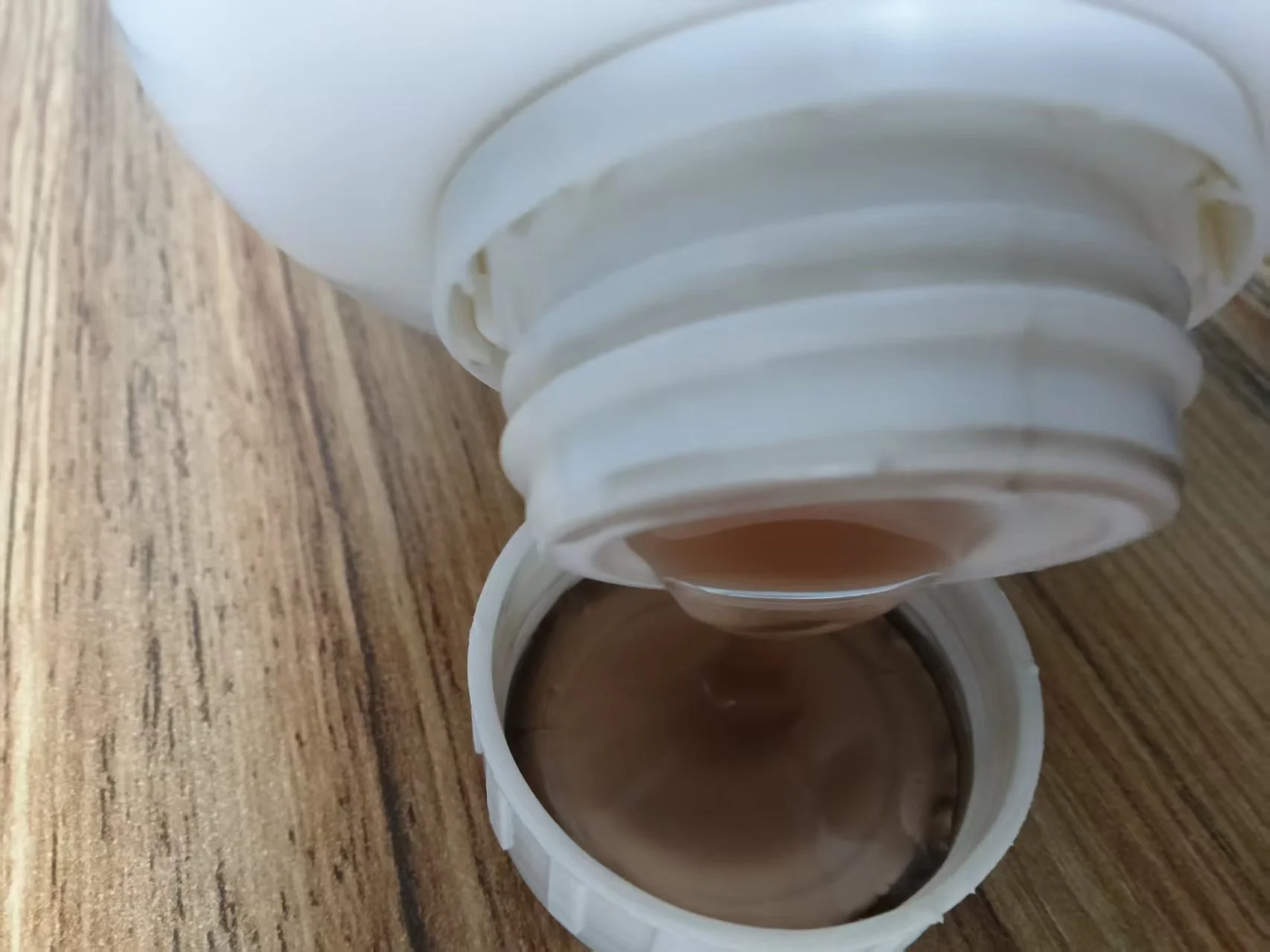
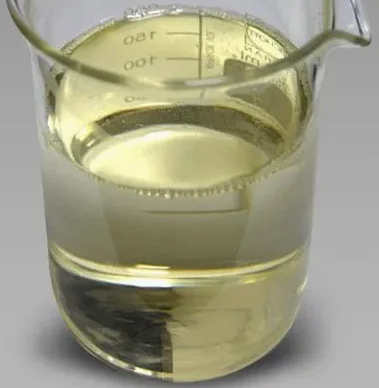
| Appearance | Light Yellow to Clear Liquid |
| pH (10% Solution) | 7 – 9 |
| Density (g/cm³ at 25°C) | 1.05 – 1.07 |
| Foaming Ability | High |
Mini takeaway: SLES 70% combines effective cleaning, a pleasing foam, and eco-friendly biodegradability — a versatile ingredient meeting both consumer and supplier demands.
Global Applications and Use Cases
Oddly enough, SLES 70% is everywhere, from your supermarket shampoo shelf to large humanitarian aid kits. In Southeast Asia, for instance, manufacturers boost local hygiene standards by using SLES-based soaps, which helps combat waterborne diseases. Meanwhile, in Europe and North America, the surfactant features prominently in eco-certified cleaning products — balancing customer desire for powerful performance with environmental responsibilities.
It’s also worth noting the role SLES 70% plays in disaster relief. Agencies working in post-flood or earthquake zones require durable, easy-to-use cleaning solutions that don’t compromise safety or storage logistics. Here, SLES enables lightweight, concentrated formulas that aid quick deployment and safer sanitation efforts.
Vendor Comparison: Popular SLES 70% Suppliers
| Supplier | Purity | Price/kg (USD) | Sustainability Certification | Available Packaging Sizes |
|---|---|---|---|---|
| ZJ Chemicals | 70% | 1.20 | ISO 14001 | 200kg Drum, IBC |
| Global Surfactants Ltd. | 69-71% | 1.35 | REACH Compliant | 100kg Drum, Bulk |
| EcoSurfact Corp. | 70% | 1.45 | EcoCert | 50kg Drum, IBC |
Advantages and Long-Term Value of SLES 70%
In real terms, SLES 70% strikes a pretty great balance between affordability and eco-friendliness, which I suppose is why it keeps dominating markets worldwide. There’s not only cost efficiency but also improvements in product safety and user experience — the foam is not just enjoyable, it’s a trust signal to consumers that the product is working.
For industries and humanitarian organizations alike, the reliability of SLES 70% formulations means safer and more dignified hygiene solutions. And, with growing emphasis on sustainability, its biodegradability ticks important boxes for environmental stewardship.
Future Trends and Innovations in SLES 70%
Looking ahead, the SLES 70% landscape is evolving. Innovations in greener ethoxylation processes—often using bio-based feedstocks—are making formulations more sustainable. Plus, regulatory frameworks like the EU REACH regulation continually push producers towards safer alternatives or improved production methods.
And there’s a quiet revolution underway with digitized manufacturing and AI-assisted formulation design aiming to tailor surfactants with unmatched precision to specific applications, reducing waste and boosting efficacy.
Challenges & Solutions
Despite many benefits, SLES 70% isn’t without challenges. Some users report mild irritation, especially in sensitive skin products, hinting at the need for balanced formulations. Plus, compliance with increasingly strict environmental standards necessitates ongoing innovation.
Solutions? Manufacturers often blend SLES with milder surfactants or develop post-treatment purification steps to minimize such effects. Emerging green chemistry and circular economy principles also guide new production methods to mitigate environmental footprint.
Frequently Asked Questions About SLES 70%
- Q: Is SLES 70% safe for use in shampoos and skin products?
A: Yes, when formulated correctly, SLES 70% is widely used in personal care products. However, for sensitive skin, formulations usually combine it with gentler surfactants to reduce irritation risks. - Q: How is SLES 70% biodegradability assessed?
A: Biodegradability is measured via standardized OECD tests assessing how quickly microbes break down the compound. SLES 70% generally shows good biodegradability, reducing long-term environmental impact. - Q: Can NGOs source SLES 70% for humanitarian products internationally?
A: Absolutely, many suppliers like SLES 70% manufacturers offer bulk packaging suitable for aid projects globally, often supporting flexible shipping and regulatory compliance. - Q: What alternatives exist if SLES 70% is unsuitable?
A: Alternatives include sodium lauryl sulfate (SLS), amphoteric surfactants, or natural surfactants like decyl glucoside, but these vary in cleaning power, cost, and skin compatibility.
Conclusion: Why SLES 70% Remains a Cornerstone in Modern Surfactants
All considered, SLES 70% keeps a vital spot in the surfactant world thanks to its solid cleaning ability, eco-friendly biodegradability, and cost-efficiency. For businesses aiming to balance effectiveness with sustainability, or for humanitarian efforts requiring reliable hygiene solutions, this ingredient ticks many boxes.
If you’re looking to learn more or source quality SLES 70%, visit our website for detailed product info and supplier connections. Because, in the end, whether you're an industry pro or a curious consumer, knowing about the ingredients behind everyday products feels worthwhile — don’t you think?
Mini takeaway: SLES 70% is more than just a cleaning agent; it’s part of an evolving global effort for sustainable, effective hygiene solutions.
References:
1. Wikipedia - Sodium lauryl ether sulfate
2. International Organization for Standardization (ISO)
3. European Chemicals Agency - REACH