Cosmetics: Understanding the Global Impact and Essential Insights
Cosmetics, at first blush, might seem like just the realm of beauty aisles and personal grooming. Yet, they're far more significant — culturally, economically, and scientifically — than the casual glance suggests. Globally, the cosmetics industry influences not only how people present themselves but also drives innovation in manufacturing, sustainability, and health-related products. Grasping its nuances is key for businesses, consumers, and policymakers alike, because cosmetics intertwine with everything from environmental concerns to economic development.
Introduction: The Worldwide Relevance of Cosmetics
To put it plainly, the cosmetics industry is booming worldwide. According to the Statista Global Cosmetics Market report, the sector is expected to top $463 billion by 2027. That growth signals not only rising consumer demand but also expanding manufacturing capabilities and innovation centers across continents. But there’s a snag — sustainability and ethical sourcing remain thorny issues. Consumers want products that look good but don’t harm the planet or people. So the challenge for the cosmetics world is balancing growth with responsibility. This tension shapes everything from raw material sourcing to packaging design.
Mini Takeaway: Cosmetics might seem superficial, but their global footprint is vast and impacts economics, sustainability, and social norms.
What Exactly Are Cosmetics? Breaking It Down
Simplistically, cosmetics are substances applied to the body to cleanse, beautify, promote attractiveness, or alter appearance without affecting body functions. This definition, courtesy of the U.S. FDA, includes everything from moisturizers and lipsticks to shampoos and fragrances. In today’s context, cosmetics also reflect the merging of science, health, and ethics—a perfect storm of industry trends that address not only aesthetics but also wellness, dermatological safety, and even cultural identity.
Oddly enough, they play a role beyond beauty—think humanitarian efforts where hygienic and skin-care products are crucial in refugee camps or disaster zones. In those cases, cosmetics aren’t frivolous but essential for dignity and health.
Core Components of Cosmetics
1. Product Formulation
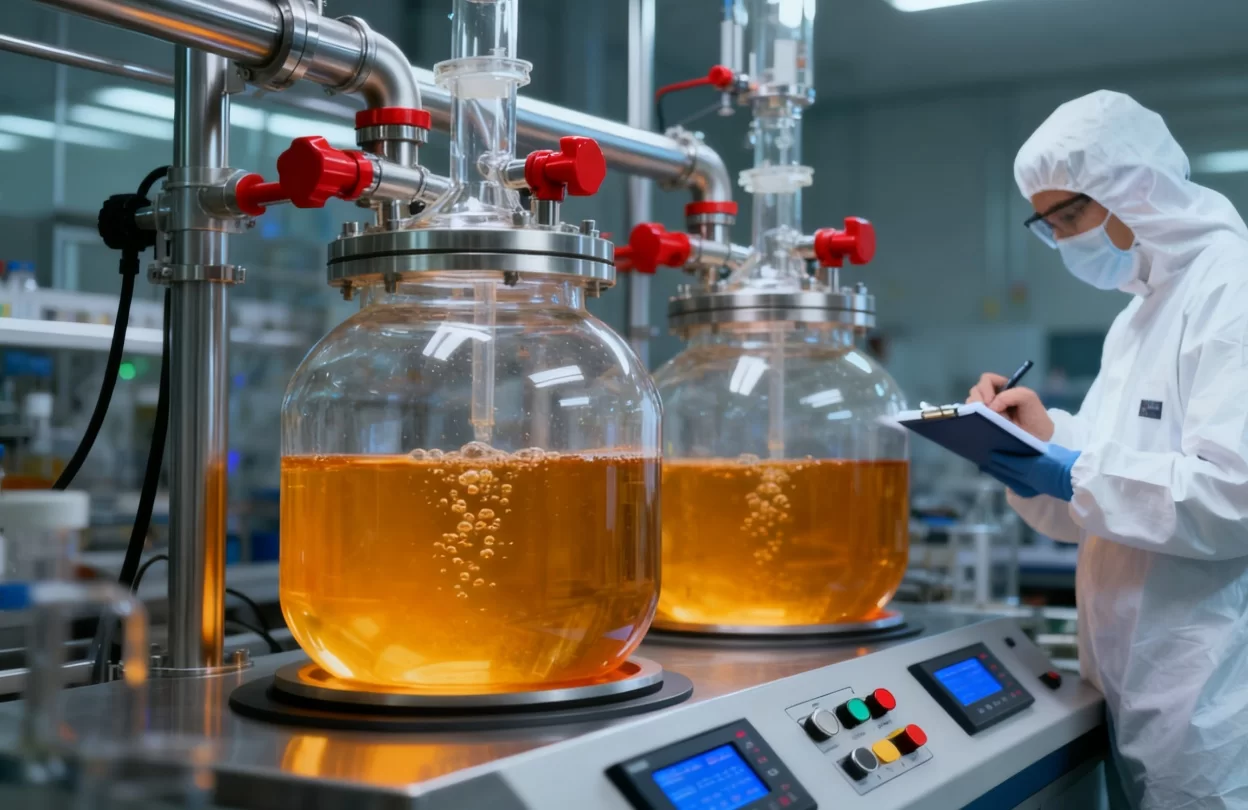
This is the science behind cosmetics. From emollients that soften skin to pigments that add color, formulation blends chemistry with biology. Innovations here improve safety and efficacy—some brands now boast vegan and hypoallergenic lines to meet diverse consumer needs.
2. Packaging and Sustainability
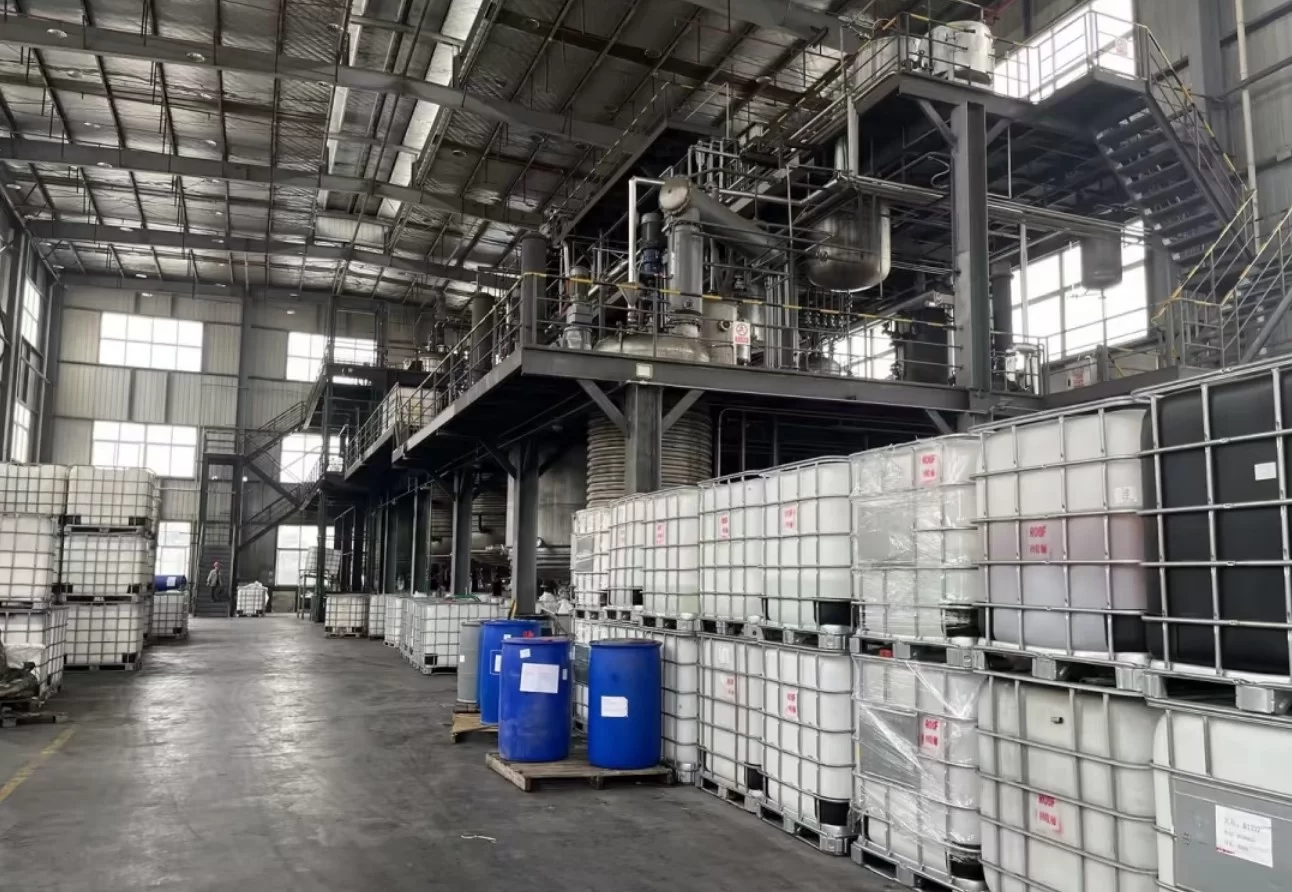
The packaging challenge is twofold: first, protecting delicate products from contamination, and second, minimizing environmental impact. Sustainable packaging materials, like biodegradable plastics or recycled glass, are becoming the norm, even if they sometimes cost a bit more.
3. Regulatory Compliance
Since cosmetics touch the body, regulatory bodies from the ISO to FDA define strict manufacturing and labeling requirements. Compliance guarantees safety and public trust—no small feat when formulas vary by region.
4. Market Scalability
For brands, launching a product globally means ensuring consistent quality across batches and adapting formulations to meet different regional preferences and regulations. It’s a logistical dance that impacts cost, speed to market, and profitability.
5. Innovation and Trends
Technological advances, like AI-driven personalized cosmetics or clean beauty movements, push this industry forward constantly. The capacity for customization answers some consumer demands for uniqueness and ethical transparency.
Mini Takeaway: Cosmetics are complex products, balancing chemistry, sustainability, regulations, scalability, and innovation — bringing together science and creativity.
Global Applications & Use Cases of Cosmetics
- Emerging Markets: Asia-Pacific and Latin America are rapidly growing regions, with rising middle classes eager for both luxury and affordable cosmetics.
- Medical and Dermatological Use: Therapeutic cosmetics that support skin health post-treatment or for sensitive conditions have seen increased demand, especially in Europe and North America.
- Disaster Relief and Aid: NGOs leverage cosmetic hygiene products to improve health outcomes and bolster morale in refugee camps or post-disaster zones.
- Fashion and Entertainment Industries: Cosmetics remain essential for expression in global media, supporting lively cultural and economic ecosystems.
Mini Takeaway: Cosmetics intersect deeply with global culture, economy, health, and humanitarian efforts—touching countless lives worldwide.
Advantages and Long-Term Value
Cosmetics don’t just offer instant beauty fixes; they also reflect broader societal values. Properly formulated products enhance safety—no one wants irritation or allergic reactions after all. There's a dignity aspect too: in many cultures, wearing cosmetics can influence self-esteem and social acceptance.
Cost-wise, high-quality products often mean better skin health, reducing expensive dermatological interventions later on. Environmentally, pushing sustainable formulations and packaging cuts waste and carbon footprints. Emotionally, they can be transformative, encouraging personal expression and confidence.
Mini Takeaway: Cosmetics deliver a broad spectrum of value: health safety, emotional well-being, economic benefits, and environmental responsibility.
Looking Ahead: Future Trends and Innovations
The future? Think smart cosmetics integrating biotechnology and AI, like products tailored to your skin’s DNA. Green chemistry is expanding, minimizing toxic waste while enhancing effectiveness. Digital try-on tools reduce sample waste and enhance shopping experiences.
Legislation will get tighter on ingredient transparency and cruelty-free validations, pushing companies toward more ethical practices. Automation in manufacturing will improve consistency and cut costs—helping smaller brands compete.
Challenges and Their Solutions
One snag is balancing innovation with sustainability—new ingredients may require uncharted environmental assessments. Plus, regulatory systems lag behind tech advances, slowing rollout. Lastly, fake products erode consumer trust globally.
The industry combats these with better R&D transparency, third-party certifications, and blockchain tracking for supply chains. Education campaigns help consumers discern quality and ethical brands too.
Frequently Asked Questions About Cosmetics
- Q: Are “natural” cosmetics always safer for my skin?
A: Not necessarily—natural ingredients can still cause allergies or irritation. Look for reputable brands and tested hypoallergenic products. - Q: How can companies ensure sustainable packaging without hiking prices?
A: Using recycled materials and optimizing design reduces waste and cost over time; plus, consumer demand often offsets price increases. - Q: Can cosmetics really be customized for individual skin types?
A: Yes. Advances in AI and skin analytics allow brands to create personalized formulations addressing unique skin needs. - Q: How do regulations differ internationally for cosmetics?
A: Significantly. For instance, the EU bans many substances allowed in the US. Companies must adapt formulations per region. - Q: Are cruelty-free cosmetics always vegan?
A: No. Cruelty-free means no animal testing, but ingredients may still be animal-derived. Vegan products avoid both animal testing and ingredients.
Comparing Leading Cosmetic Vendor Approaches
| Vendor | Sustainability Initiatives | Product Range | Global Reach | Price Point |
|---|---|---|---|---|
| EcoBeauty Co. | 100% biodegradable packaging | Organic skincare & makeup | 30+ countries | Mid to high |
| PureGlow Labs | Vegan, cruelty-free certification | Skincare, haircare | Global online presence | Affordable |
| Luxé Cosmetics | Eco-friendly production methods | Luxury makeup and fragrance | 50+ countries | Premium |
Typical Cosmetic Product Specification Example
| Specification | Details |
|---|---|
| Product Type | Hydrating Face Cream |
| Key Ingredients | Hyaluronic acid, Vitamin E, Aloe Vera extract |
| Shelf Life | 24 months unopened |
| Certification | Cruelty-free, Dermatologically tested |
| Packaging | 50 ml recyclable glass jar |
It’s safe to say cosmetics are about more than just vanity; they blend science, culture, and ethics in a way that makes them endlessly fascinating.
Wrapping Up: Why Cosmetics Matter and What You Can Do
At the end of the day, cosmetics touch nearly every corner of life—whether it’s the confidence a new lip color brings or the sustainable packaging that keeps plastic out of our oceans. Understanding cosmetics means appreciating an industry that’s evolving alongside our social values and technology.
Curious to learn more, see innovations or find your next favorite product? Check out our deep dive at Cosmetics.
Thanks for reading — I hope this gave you a clearer picture of why cosmetics truly matter.
“Cosmetics hold more stories than skin deep; they echo culture, future tech, and even the fate of our planet.”
References:1. Statista: Global Cosmetics Market
2. U.S. FDA Cosmetics Guidelines
3. ISO Standards for Cosmetics